

- Latest Newsletter
- Call Us: +(00) 123-345-11
- Email:contact@medicineandislam.org



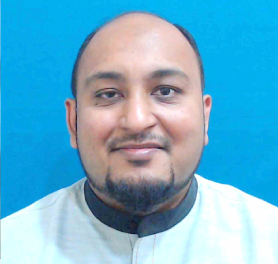
Dr. Mohd Yusof Mohamad
International Islamic University Malaysia
Dr. Mohd Yusof Mohamad is an Assistant Professor at the Kulliyyah of Allied Health Sciences, IIUM, specializing in biomedical sciences, anatomy, and tissue engineering. He also holds a postgraduate diploma in Islamic studies and is a frequent moderator of academic debates nationwide.
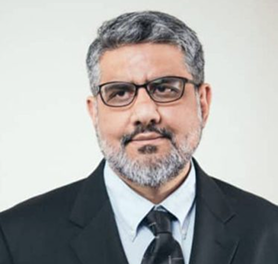
Dr. Omar Qureshi
Yaqeen Institute
Dr. Omar Qureshi is a scholar of educational philosophy, ethics, theology, and Islamic law. He heads the Diploma in Contextual Islamic Studies & Leadership at Cambridge Muslim College and has taught at Zaytuna College. His academic and Islamic studies background spans philosophy, law, theology, and history, bringing deep insight to faith and education
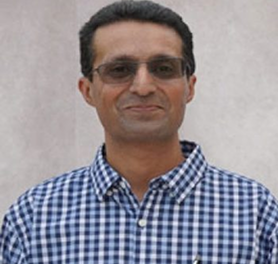
Dr. Macksood Aftab
Michigan State University
Dr. Macksood Aftab is Chairman of Radiology at Ascension Genesys Hospital and Clinical Assistant Professor at multiple universities, including Michigan State. A Harvard-trained neuroradiologist with a Master’s in History of Science, his research bridges philosophy, theology, and neuroscience

Dr. Shoaib Malik
University of Edinburgh
Dr. Shoaib Ahmed Malik is an Assistant Professor of Natural Sciences at Zayed University, Dubai, and a Visiting Researcher at St. Mary’s University, UK. Holding PhDs in both Chemical Engineering and Theology, he is a leading voice at the intersection of Islam and science. Author of Islam and Evolution, his work bridges classical Islamic thought with modern scientific discourse.
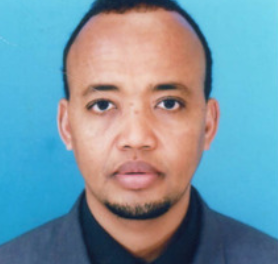
Dr. Abdurezak Hashi
International Islamic University Malaysia
Assoc. Prof. Dr. Abdurezak Abdulahi Hashi is an Associate Professor at the Department of Biotechnology, IIUM, specializing in theology, comparative religion, and bioethics. A seasoned speaker at international conferences, he serves as editor of Revelation and Science and coordinates IIUM’s multidisciplinary postgraduate program in bioethics
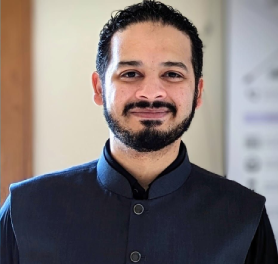
Usama Javed Mirza
University of Cambridge
Usama Javed Mirza is a Fulbright Scholar and New York–trained EMT. Founder of Saving 9, he launched Pakistan’s first women-run ambulance and the world’s second mental health ambulance. His PhD< explores decolonising science education within an Islamic framework.
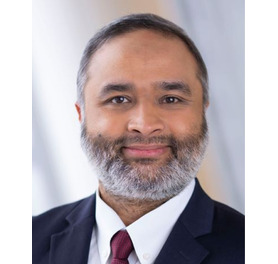
Dr. Ahsan Arozullah
Darul Qasim College
Dr. Ahsan M. Arozullah is a physician and pharmaceutical executive with over 20 years in clinical research. He leads global teams developing targeted oncology therapies and serves on the Board of Directors at Darul Qasim College, advancing the role of Islamic knowledge in academia.
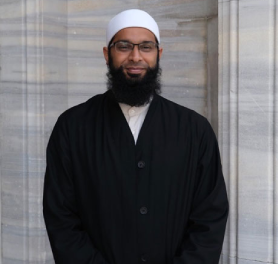
Shaykh Bilal Ali Ansari
Darul Qasim College
Bilal Ali Ansari holds a BA in Applied Behavioral Sciences and has studied Arabic and Islamic Studies extensively in Pakistan and at Darul Qasim. Certified in hadith, he teaches Arabic, Islamic Law, and Hadith Studies, with research interests in legal theory, theology, education, mental health, and Islamic bioethics..
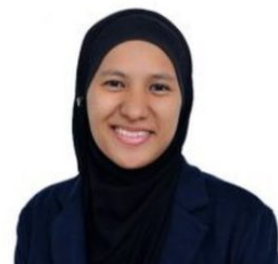
Dr. Raudah Yunus
Medical College of Wisconsin, University Teknology MARA (Malaysia)
Raudah Yunus is a researcher, writer, and social activist from Kuala Lumpur, currently a postdoctoral fellow at the Medical College of Wisconsin. With an MPH and DrPH from the University of Malaya, she focuses on data, marginalized ommunities, and health equity.
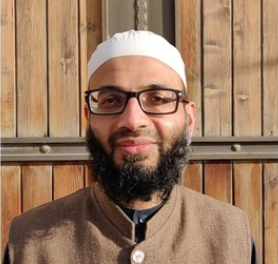
Shaykh Hamza Karamali
Basira Education
Hamza Karamali holds degrees in Computer Engineering and Islamic Law, and has studied extensively with traditional scholars in the Muslim world. Founder of Basira Education, he develops curricula integrating classical Islamic scholarship with modern science and philosophy, specializing in Muslim responses to atheism.
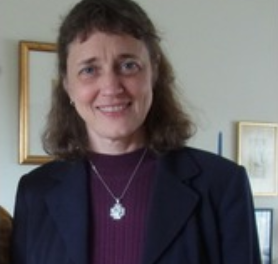
Dr. Jennifer Wiseman
Johns Hopkins University
Dr. Jennifer Wiseman is an astrophysicist and public speaker recognized for her leadership in science outreach and faith–science dialogue. She writes and lectures widely on the inspiring discoveries of astronomy. Her work fosters conversations that bridge scientific exploration with deeper questions of meaning and purpose.

Dr. Anke Bouzenita
Sultan Qaboos University
Anke Iman Bouzenita is a scholar at the Department of Islamic Sciences, Sultan Qaboos University. Her research spans Islamic studies, bioethics, Ibadi studies, education, and international relations.
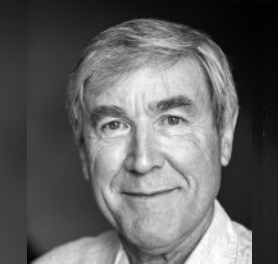
Dr. Paul Davies
Arizona State University
Paul Davies is a physicist, writer, and broadcaster specializing in cosmology, quantum field theory, and astrobiology. A professor at Arizona State University, he is known for groundbreaking work on the universe’s origins and the nature of life.
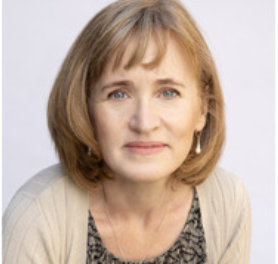
Dr. Jennifer Nagel
University of Toronto
Jennifer Nagel is a philosophy professor at the University of Toronto specializing in epistemology, philosophy of mind, and cognitive science, with interests in both Western and Classical traditions.
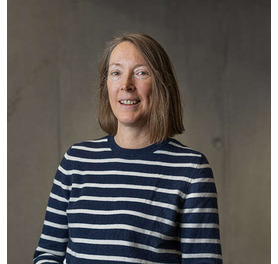
Dr. Tara Shears
University of Liverpool
Dr. Tara Shears is a Professor of Physics at the University of Liverpool and the first woman to hold this role. She researches particle physics at CERN’s Large Hadron Collider and is known for her work on antimatter and the Standard Model, while also promoting women in science through teaching and outreach.
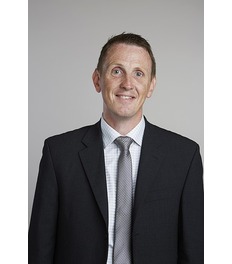
Prof. Philip Donoghue
University of Bristol
Prof. Philip Donoghue is a Professor of Palaeobiology at the University of Bristol and a Fellow of the Royal Society. His research bridges palaeobiology, developmental biology, and molecular evolution, with pioneering work on fossil embryos and evolutionary timescales. He has received major awards including the Philip Leverhulme Prize and the Bigsby Medal.
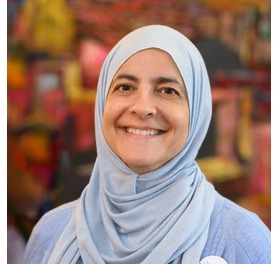
Prof. Rana Dajani
Hashemite University
Prof. Rana Dajani is a Professor of Molecular Cell Biology at the Hashemite University in Jordan. Her research focuses on cell signaling and interdisciplinary approaches to biology, alongside her global recognition as founder of the “We Love Reading” initiative promoting literacy and community engagement.
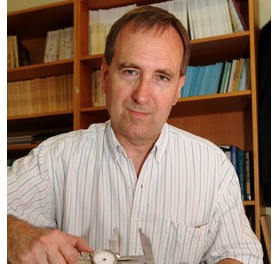
Prof. Chris Stringer
Natural History Museum, London
Prof. Chris Stringer is a Research Leader in Human Origins at the Natural History Museum, London, and Honorary Professor at UCL. A Fellow of the Royal Society, he is best known for his work on the “Recent African Origin” theory and has published extensively on human evolution, Neanderthals, and early modern humans.
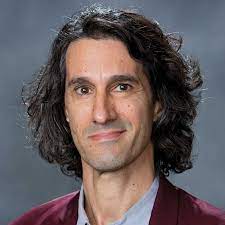
Prof. Agustín Fuentes
Princeton University
Prof. Agustín Fuentes is a Professor of Anthropology at Princeton University whose research explores human evolution, health, race, gender, and multispecies anthropology. An active public scientist and National Geographic explorer, he is widely recognized for his work on cooperation, creativity, and belief in human evolution.
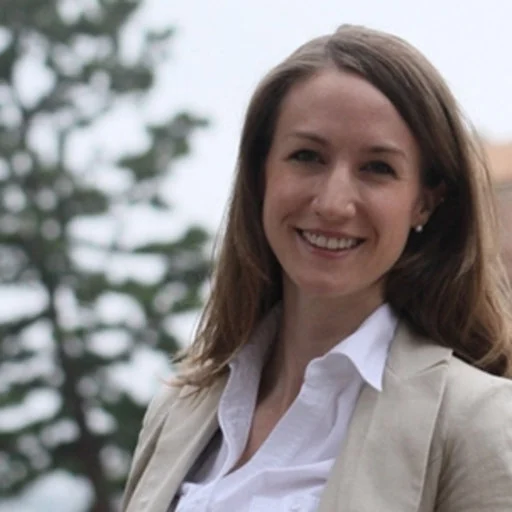
Prof. Megan Peters
University of California, Irvine
Prof. Megan Peters is an Associate Professor of Cognitive Sciences at UC Irvine, specializing in perception, metacognition, and consciousness. Her research uses neuroimaging, computational modeling, and machine learning to study how the brain represents uncertainty and supports conscious awareness.
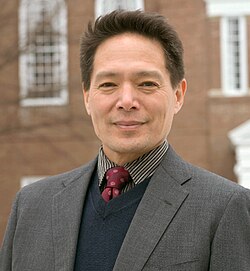
Prof. Peter Ulric Tse
Dartmouth College
Prof. Peter Ulric Tse is Chair of the Department of Psychological and Brain Sciences at Dartmouth College. His research focuses on the neural basis of consciousness, attention, and volition, exploring how top-down and bottom-up processes shape perception and decision-making.
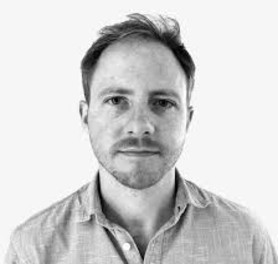
Prof. Philip Goff
Durham University
Prof. Philip Goff is a Professor of Philosophy at Durham University specializing in consciousness and metaphysics. He is known for defending panpsychism—the view that consciousness is a fundamental feature of reality—and is the author of Galileo’s Error and Why? The Purpose of the Universe.
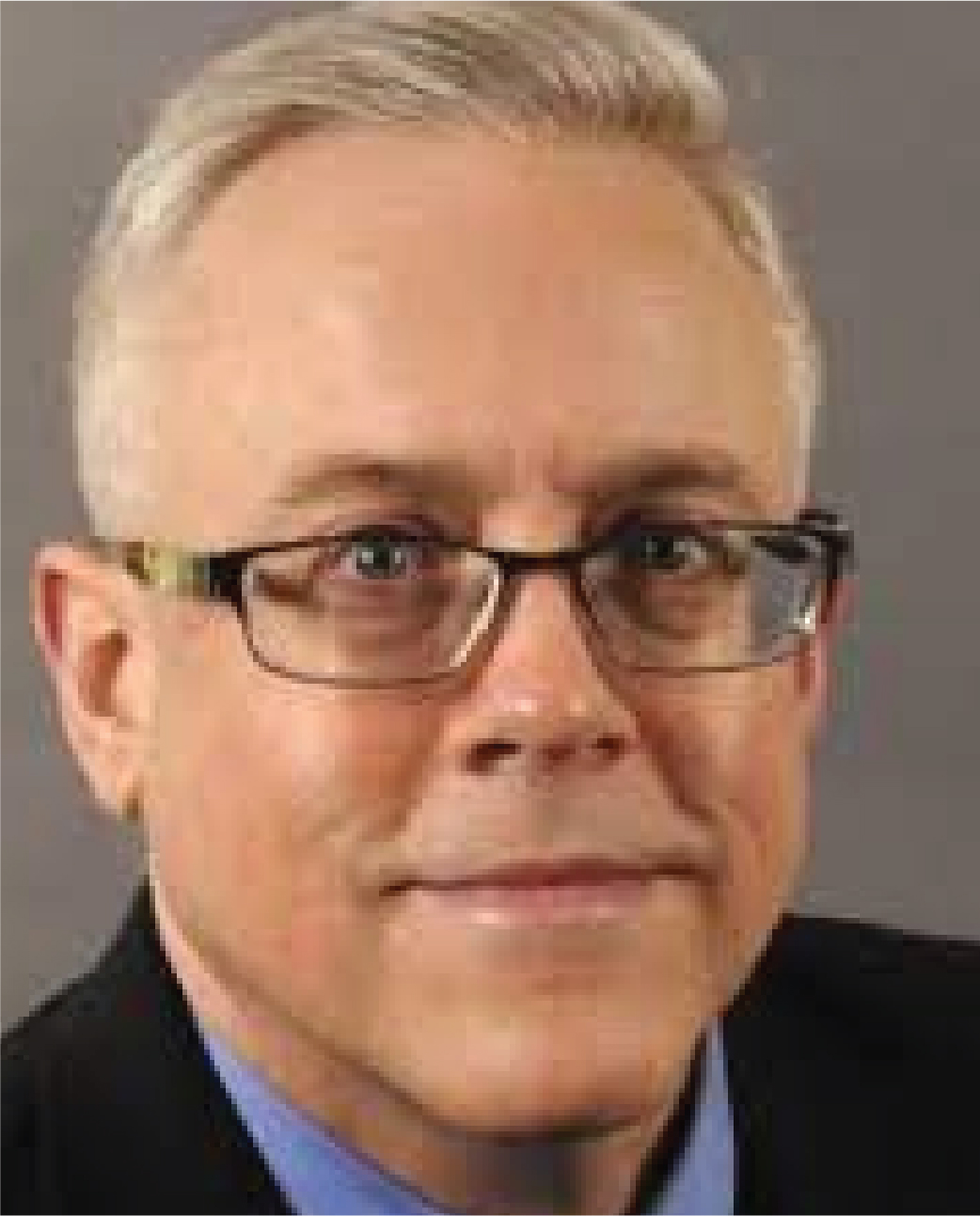
Dr. James J. Hughes
University of Massachusetts Boston
Dr. James J. Hughes is a bioethicist and sociologist at the University of Massachusetts Boston, where he serves as Associate Provost. He is Executive Director of the Institute for Ethics and Emerging Technologies and is widely known for his work on transhumanism, applied ethics, and democratic governance of human enhancement.
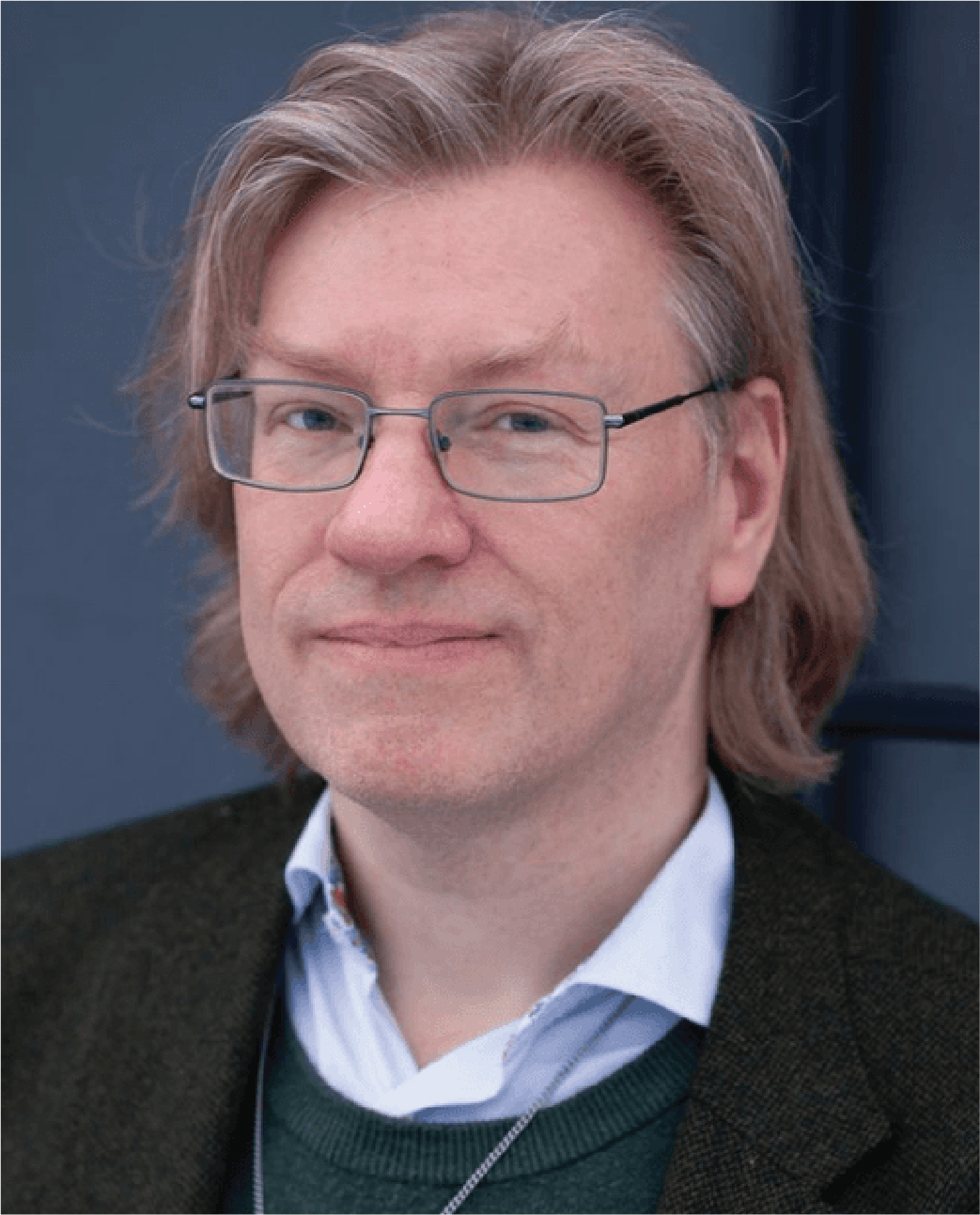
Dr. Anders Sandberg
Oxford’s Future of Humanity Institute
Dr. Anders Sandberg is a Senior Research Fellow at Oxford’s Future of Humanity Institute, focusing on global catastrophic risks, human enhancement, and the long-term future of civilization. His work explores topics such as whole brain emulation, space ethics, and the societal impact of transformative technologies.
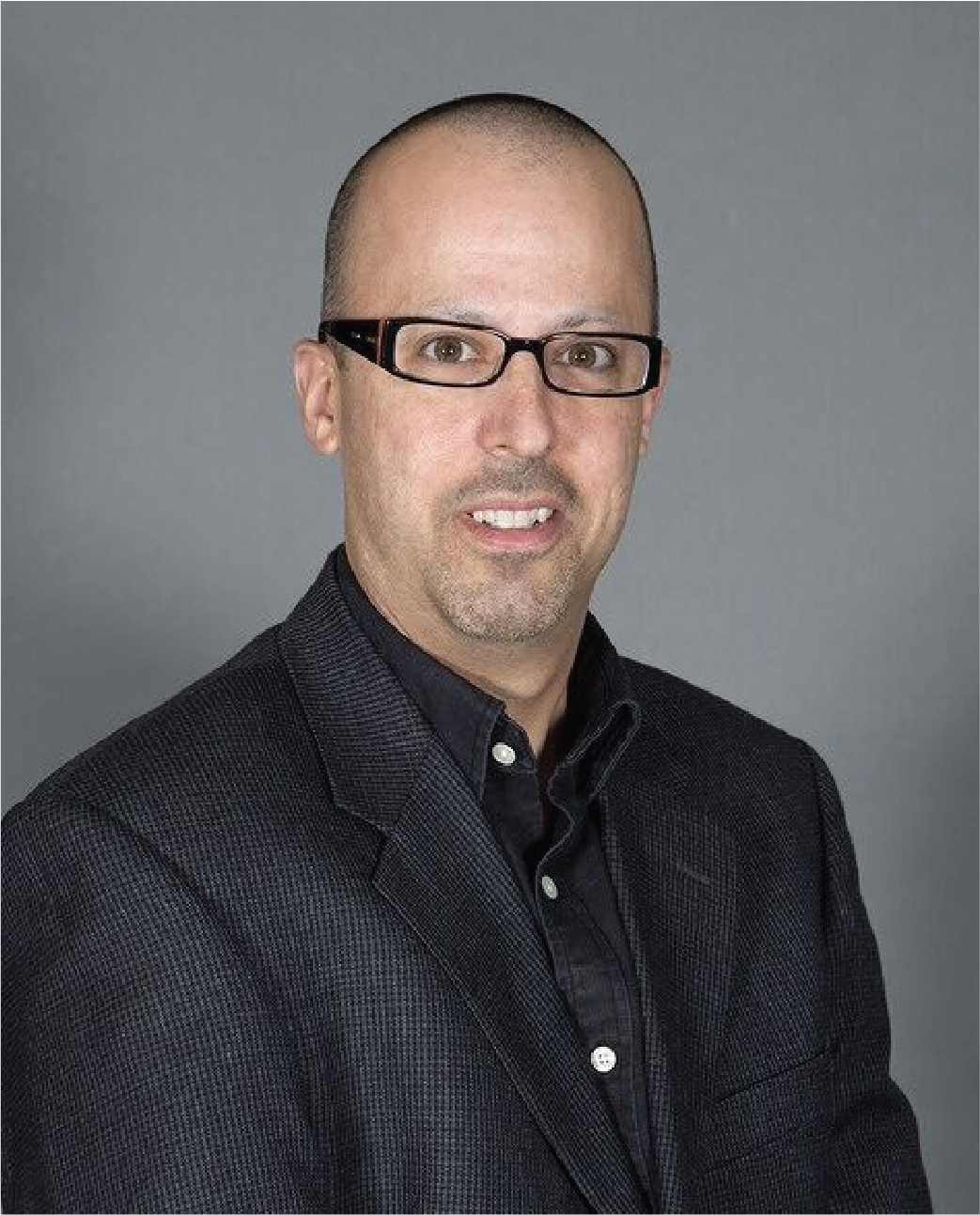
Prof. Gregg D. Caruso
Fairfield University
Prof. Gregg D. Caruso is a philosopher and author of six books and over forty articles on free will, moral responsibility, and justice. His work has been widely translated, featured in international media, and highlighted in the documentary Free Will?
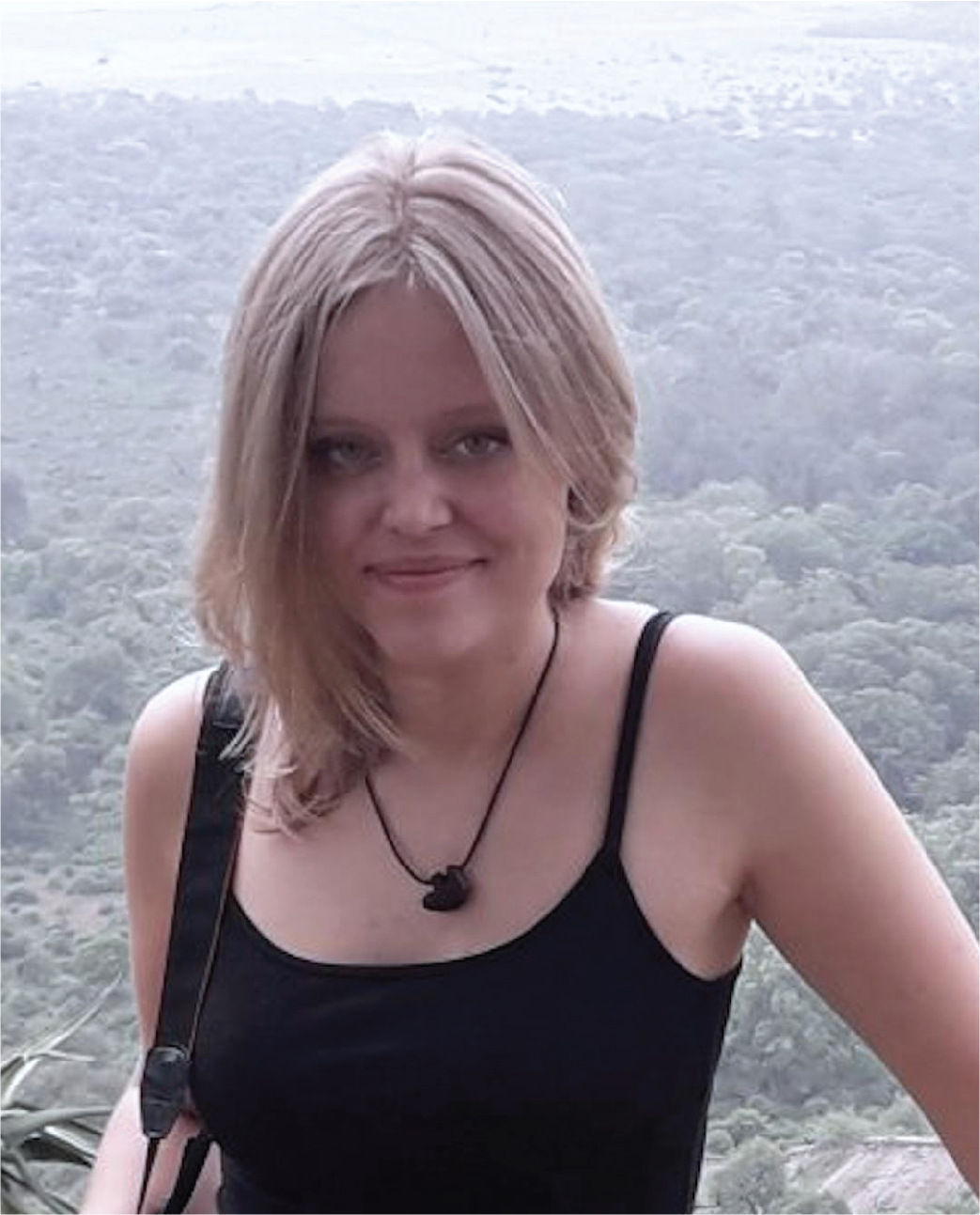
Prof. Emilie Caspar
Ghent University
Prof. Emilie Caspar is an Associate Professor of Experimental Psychology at Ghent University. Her research combines cognitive and social neuroscience to study decision-making, volition, empathy, and moral psychology using neuroimaging and electrophysiology.
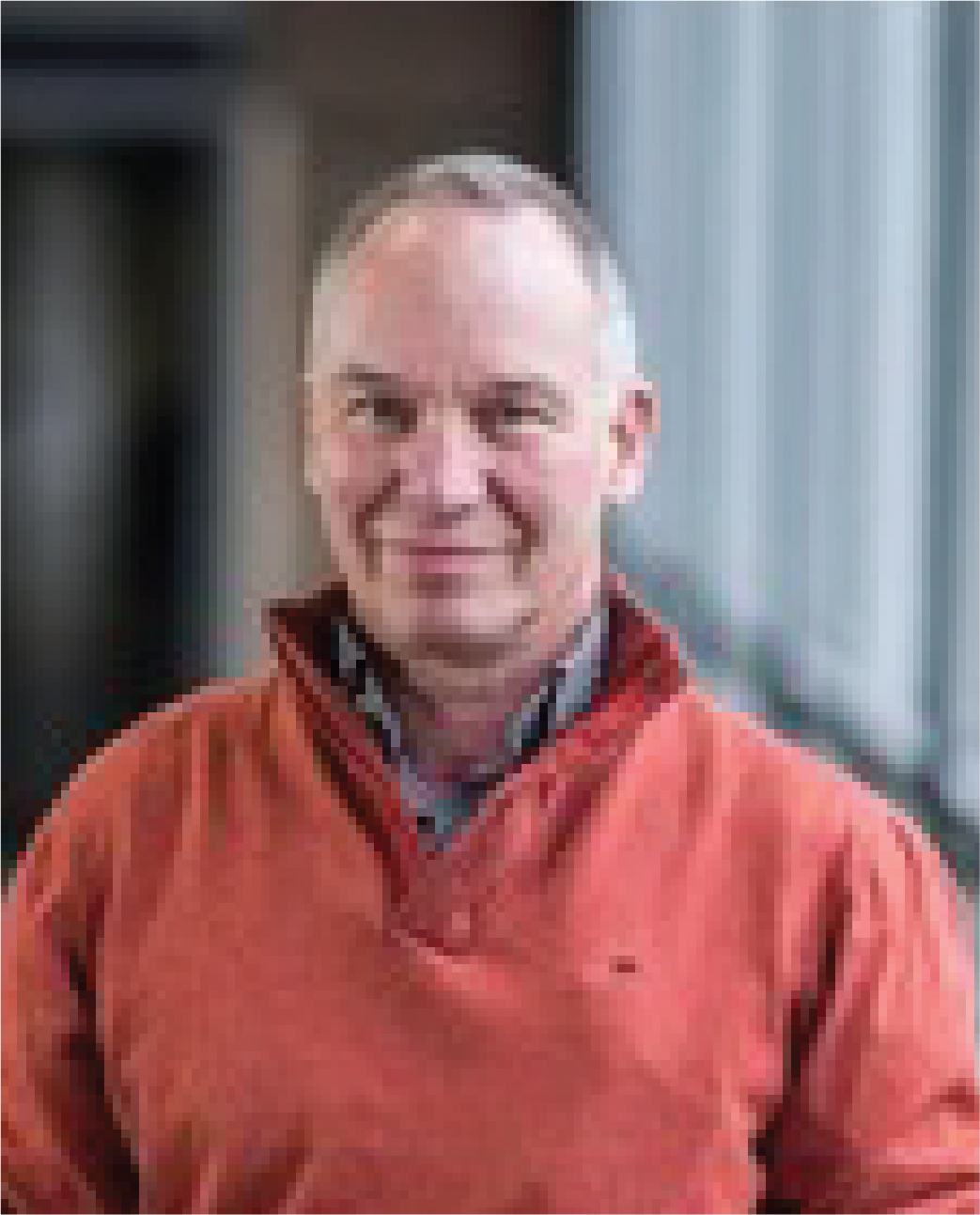
Prof. Han Brunner
Radboud University Medical Center
Prof. Han Brunner is a Professor of Medical Genetics at Radboud University Medical Center, specializing in the genetic causes of intellectual disabilities and congenital defects. His research has identified key genes linked to skeletal, heart, and brain disorders, advancing both medical care and understanding of human development.
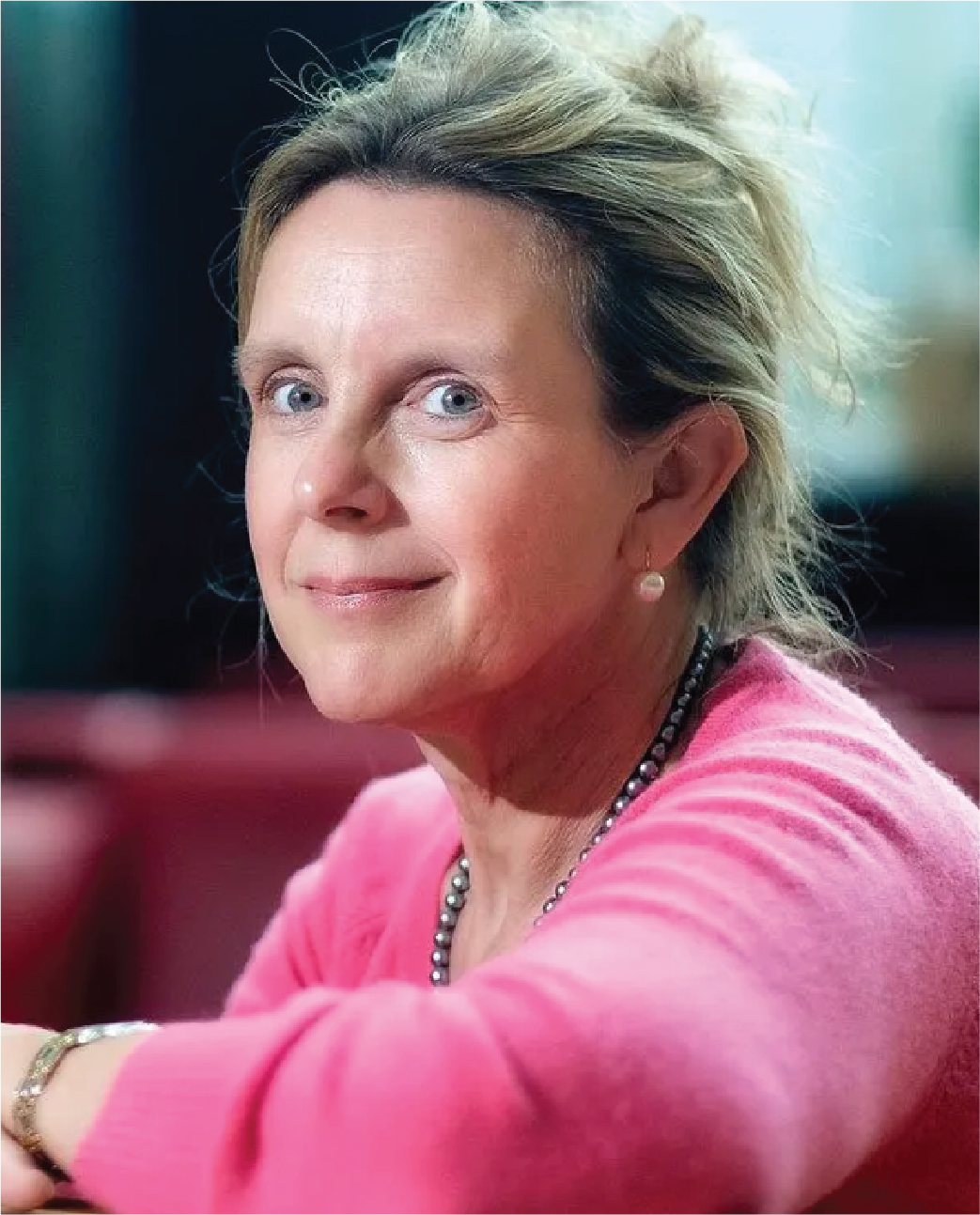
Dr. Gwen Adshead
Ravenswood House
Dr. Gwen Adshead is a consultant forensic psychiatrist and psychotherapist, formerly at Broadmoor Hospital and now at Ravenswood House. She is internationally recognized for her work on the psychology of violence, ethics in mental health, and the rehabilitation of offenders, and has authored over 100 academic papers and books.
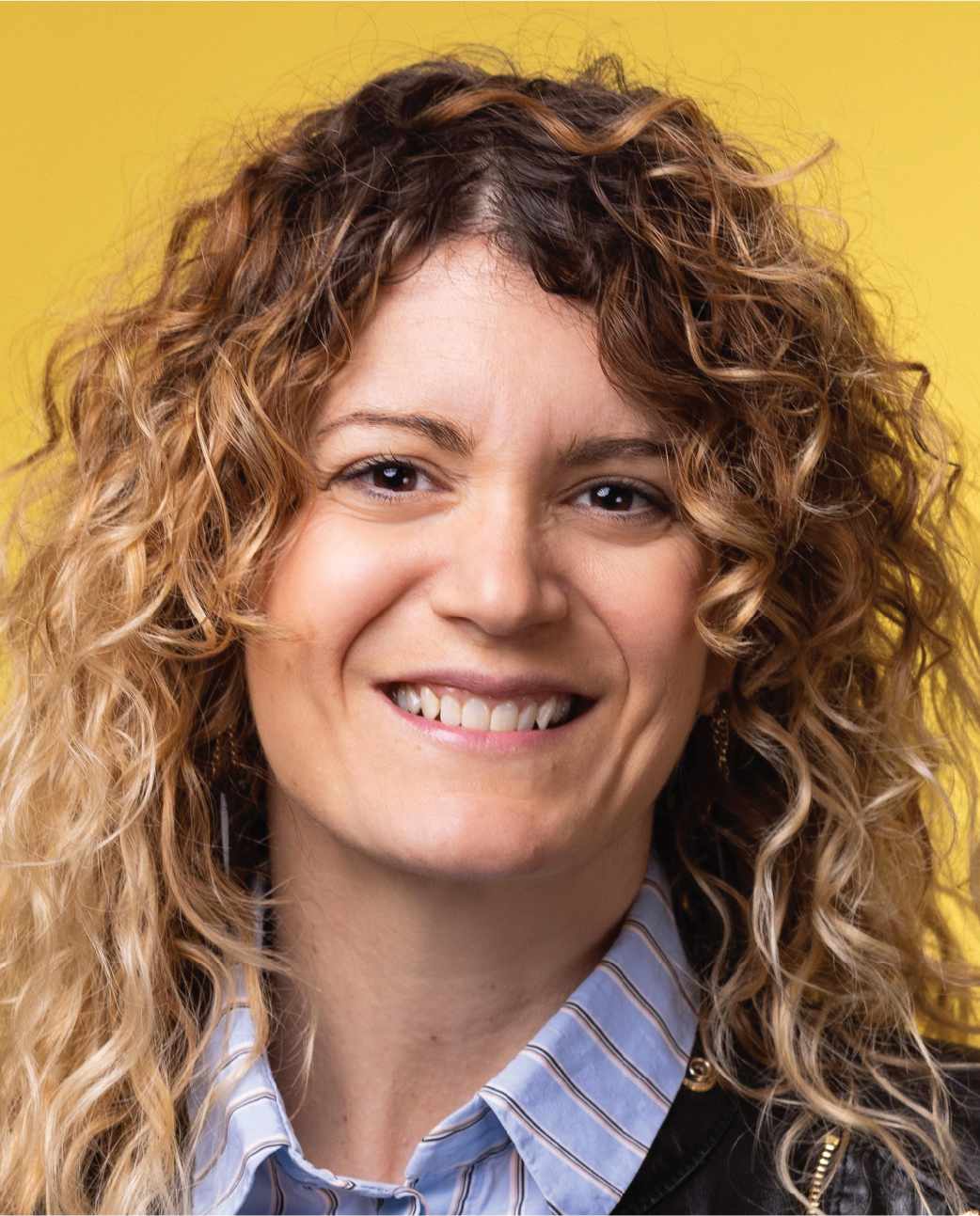
Prof. Sara Walker
Arizona State University
Prof. Sara Walker is an astrobiologist and theoretical physicist at Arizona State University, where she serves as Deputy Director of the Beyond Center. Her research focuses on the origins of life, life detection, and universal principles of living systems, and she is internationally recognized for her leadership in astrobiology and complexity science.

Prof. Monica Grady
The Open University
Prof. Monica Grady is Professor Emerita of Planetary and Space Sciences at The Open University and a leading authority on meteorites and cosmochemistry. Her research focuses on the role of carbon in the evolution of the Solar System and its links to the origin of life on Earth and beyond.
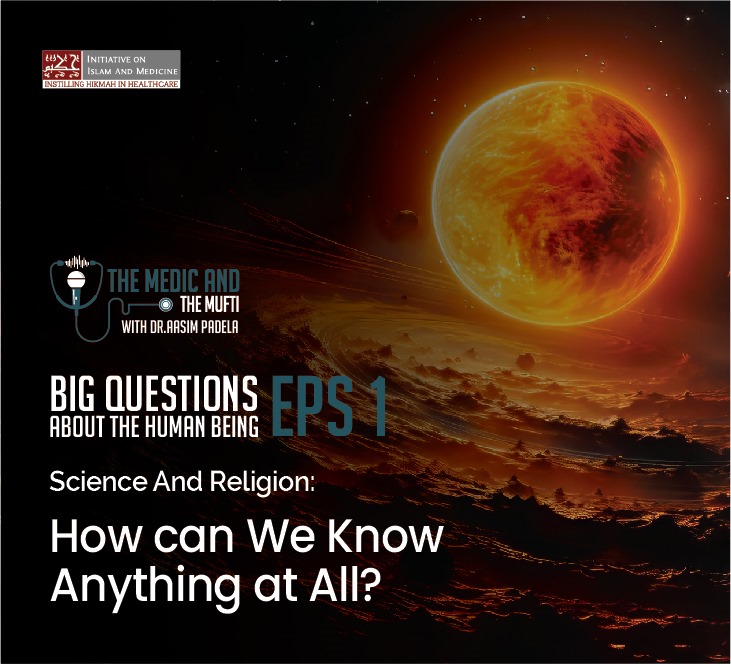
Episode # 3
What Does it Mean to be Human? Reflections on Neuroscience, Artificial Intelligence and the Soul
Episode # 4
What is the Future of Humankind? Are we and should we be changing our bodies and brains?
Episode # 5
Are Our Lives Pre-determined? The Questions of Free Will and Human Agency
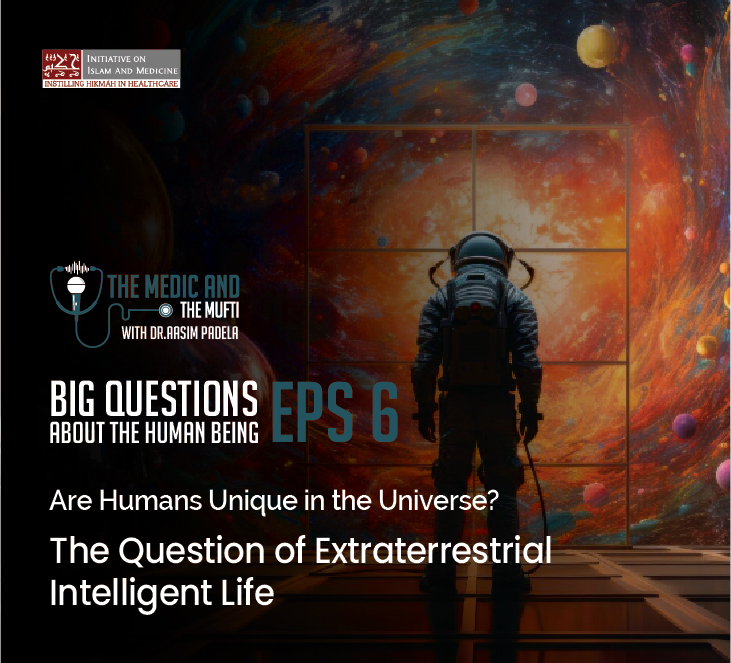
Episode # 6
Are Humans Unique in the Universe? The Question of Extraterrestrial Intelligent Life




Initiative on Islam and Medicine © 2025 - All Rights Reserved. Designed and Powered By Digaptics