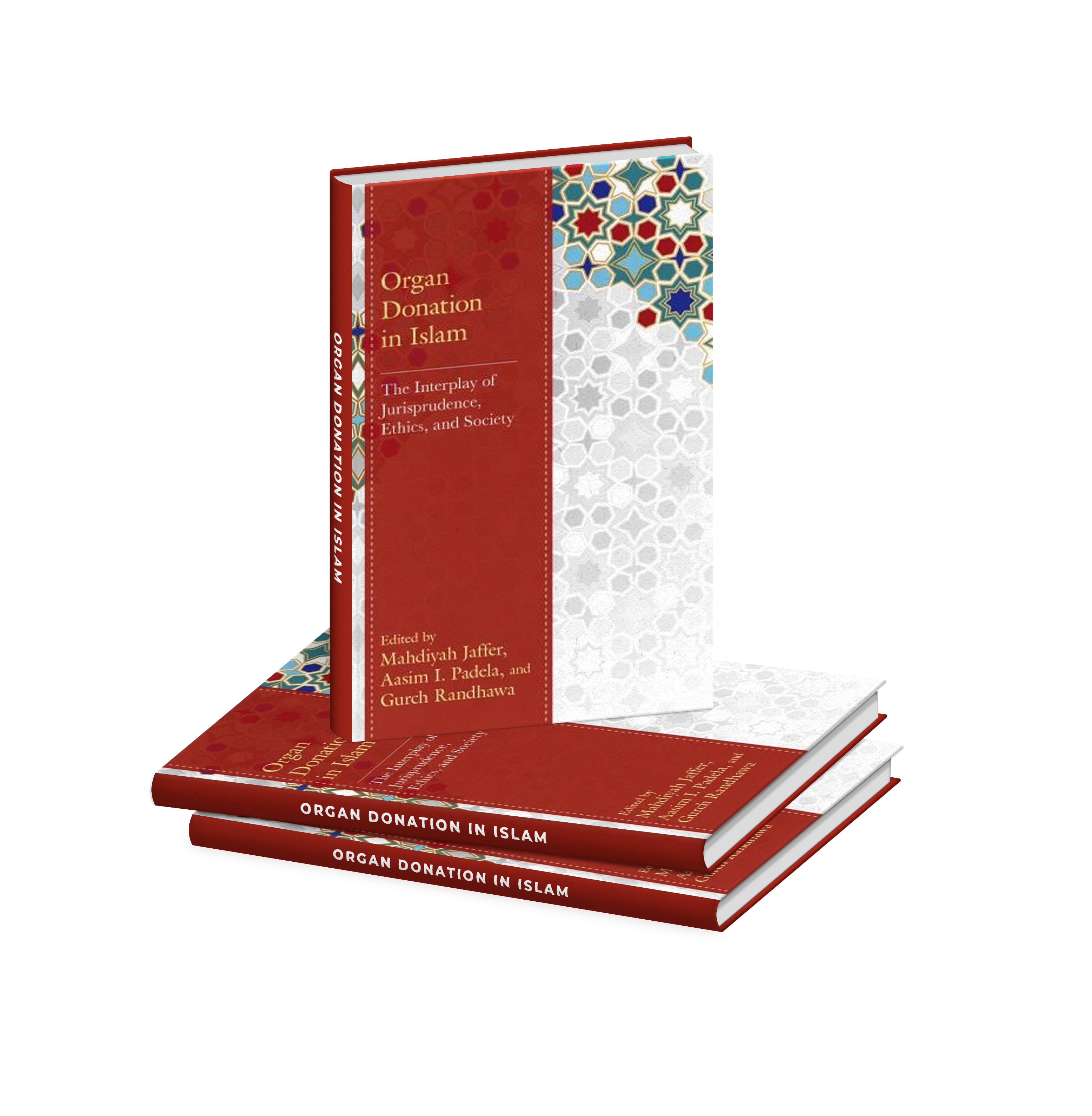
Organ Donation in Islam
The Interplay of Jurisprudence, Ethics, and Society
This book delves into the complexities and nuances of organ donation in Muslim communities.
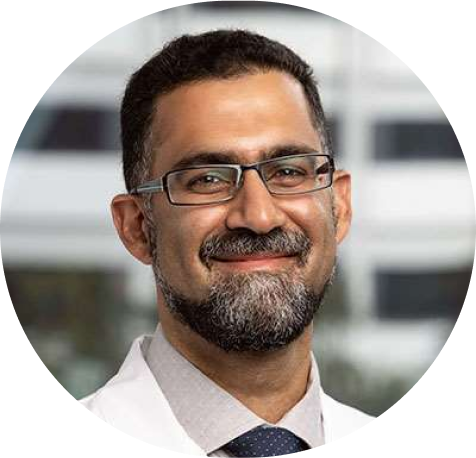
Dr. Aasim I. Padela

About the book

ORGAN DONATION IN ISLAM
The Interplay of Jurisprudence, Ethics, and Society
A diverse group of authors including Muslim jurists, academic researchers, clinicians and policy stakeholders engage with the multi-faceted topic. Contributions from Sunni and Shia scholars are positioned alongside each other, giving the reader an appreciation of the different Islamic traditions and legal methodologies; and qualitative research examining the views and potential concerns of Muslim families towards donating organs of loved ones is juxtaposed with the work of academicians and community advocates engaging diverse Muslim communities to equip them with the knowledge and tools to make informed donation decisions.Taken together the collection yields new ethical, empirical and sociological insights into how issues of body ownership, the definition of death, and community engagement interface with the act of donation. Accordingly, this wide-ranging volume represents a invaluable resource for religious leaders, healthcare professionals, social scientists, policy makers, researchers, and others interested in the interplay between contemporary healthcare, religious tradition, health policy and the topic of organ donation.
What’s inside the book
Part I: Jurisprudential and Theological Discourses
This section explores Islamic legal and theological perspectives on organ donation, focusing on property in the body, autonomy, and the prohibition of self-harm from Sunni and Shiʿi viewpoints.
Part II: Ethical Perspectives and Lived Experiences
This part delves into ethical dilemmas and lived experiences of Muslims regarding organ donation, addressing misconceptions and cultural views on brain death and transplantation
Part III: Multidisciplinary Analysis and Multistakeholder Engagement
A comprehensive look at the engagement of religious leaders and the need for a multidisciplinary approach in developing fatwas and public programs on organ donation within Muslim communities.
Part IV: Stakeholder Informed Islamic Juristic Output
This section provides Islamic juristic opinions on organ donation, showcasing collaborative insights from religious, medical, and community stakeholders to shape ethical guidelines
Know More About Author

Aasim I. Padela
Dr. Padela is a bioethicist, community health researcher, and emergency medicine clinician. As a multidisciplinary academic scholar, Dr. Padela holds an MD from Weill Cornell Medical College, an MSc in Healthcare Research from the University of Michigan, a BS in Biomedical Engineering, and a BA in Classical Arabic from the University of Rochester. His formal training includes a residency in emergency medicine at the University of Rochester, a health services research fellowship at the University of Michigan, a medical ethics fellowship at the MacLean Center for Clinical Medical Ethics at the University of Chicago, and an Islamic theology & law fellowship at the Oxford Center for Islamic Studies.
Book Reviews
"This exquisitely edited, comprehensive volume feels like many books in one: a treatise on Islamic theology and the casuistry of organ donation, a lively work on commonly encountered impressions and misconceptions about the Islamic attitude toward transplants, and an exploration of the social and political dimensions of organ donation among Muslim communities. Each of the four parts includes a selection of texts that focus on the main issues at hand while maintaining a strict tonal coherence and analytical depth throughout. This collection will appeal to Islamic experts and practitioners who want to better understand their own tradition, including the diversity of opinions and nuances. For non-Muslim bioethicists and even for general readers, this volume is the most accessible, richest collection so far on the sometimes complex, often little-known Islamic teachings and traditions pertaining to organ donation and its connected problems. It includes questions about living donors, compensated donation, death determination, and especially social attitudes toward organ ablation. The volume closes with a carefully reasoned expert summary of the lessons this compilation offers. Advanced readers will likely prefer to navigate chapters in normal order. For a fruitful experience, though, beginners may start from this final chapter and proceed backward toward the first. Highly recommended. All readers."

"Organ Donation in Islam: The Interplay of Jurisprudence, Ethics, and Society makes an important scholarly contribution at the intersection of the Islamic tradition and biomedicine. Co-edited by an interdisciplinary team, the book covers important ethical issues related to organ donation among Muslim communities. This work continues lines of inquiry important to the field of clinical medical ethics as it relates to patient decision making regarding organ donation and transplantation."
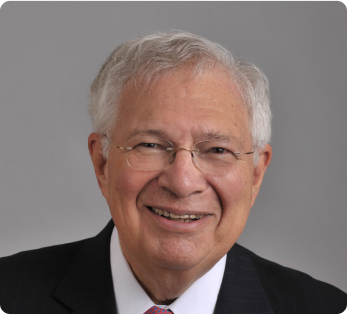
Mark Siegler.
The University of Chicago.

Organ Donation in Islam: The Interplay of Jurisprudence, Ethics, and Society makes an important scholarly contribution at the intersection of the Islamic tradition and biomedicine. Co-edited by an interdisciplinary team, the book covers important ethical issues related to organ donation among Muslim communities. This work continues lines of inquiry important to the field of clinical medical ethics as it relates to patient decision making regarding organ donation and transplantation.Mark Siegler,
The University of Chicago