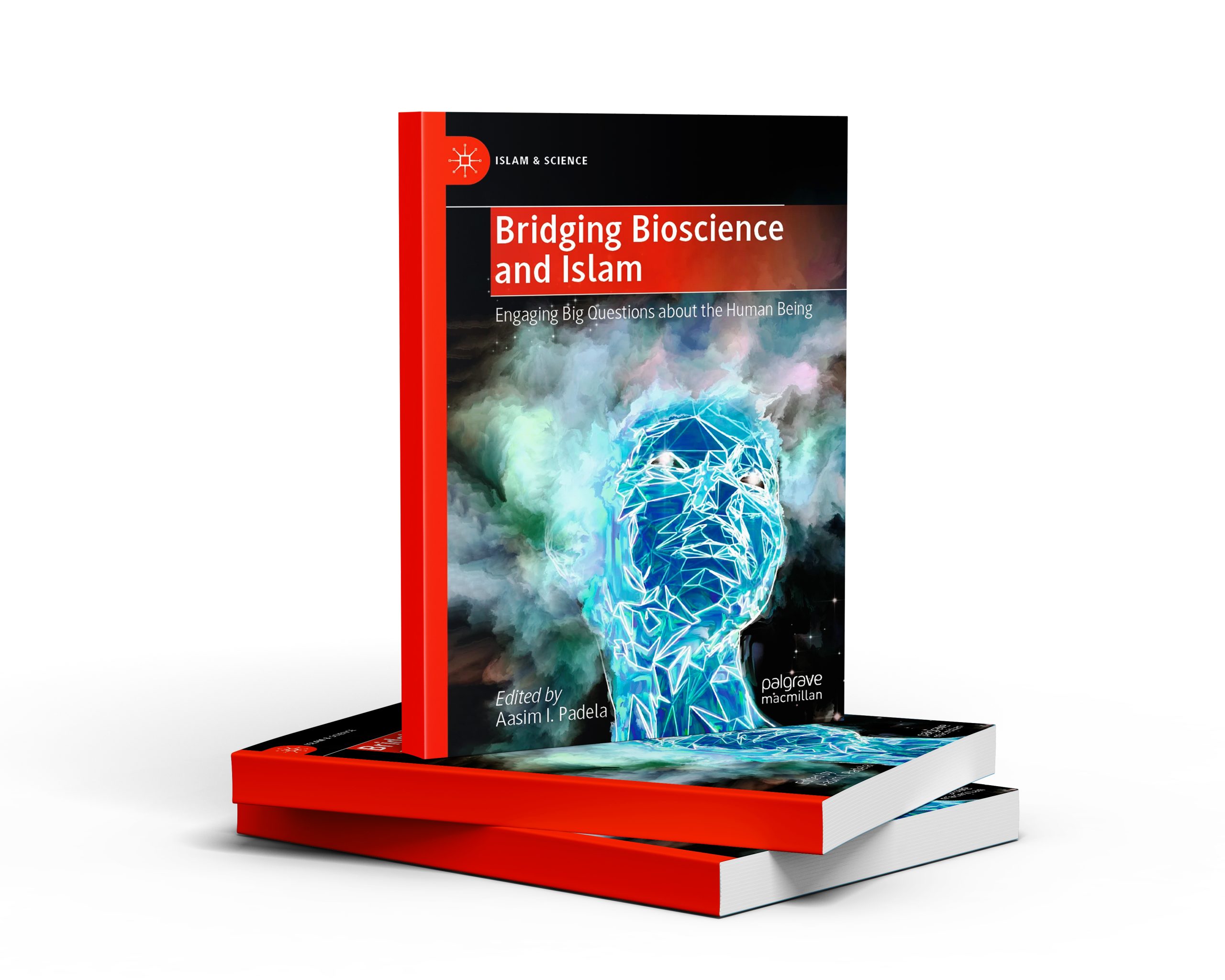
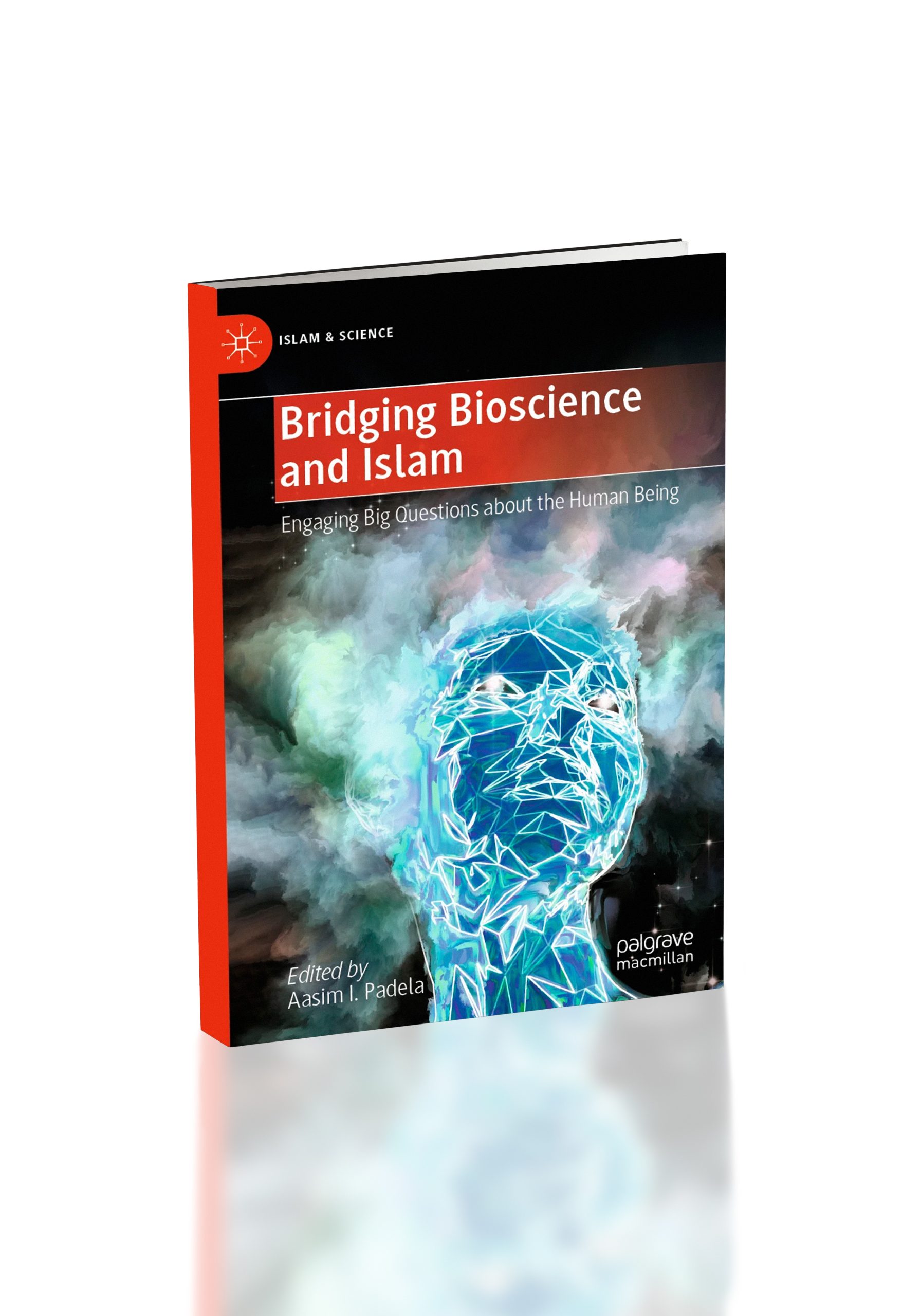
Bridging Bioscience and Islam
Engaging Big Questions about the Human Being
Bridging Bioscience and Islam brings together scientists, theologians, and educators to examine how Islamic thought and bioscience address fundamental questions about human origin, nature, capacities, future, and uniqueness today.
Edited by Dr. Aasim I. Padela

About the book

Bridging Bioscience and Islam:
Engaging Big Questions about the Human Being
This book, Bridging Bioscience and Islam: Engaging Big Questions about the Human Being, edited by Aasim I. Padela, brings together scientists, theologians, and educators to examine fundamental questions about the human being through both Islamic and bioscientific perspectives. The volume explores themes of human origin, nature, essence, capacities, fatedness, future, and uniqueness, while opening space for deeper dialogue between Islam and contemporary science. It moves beyond the common framing of science and religion as only being in conflict, instead encouraging multidisciplinary engagement across theology, bioethics, epistemology, ontology, and science education. Through this approach, the book contributes to a richer understanding of what it means to be human at the intersection of Islam, bioscience, and ethical reflection.
What’s inside the book
Human Origin
The book explores questions surrounding the origin of humankind and how bioscientific accounts may be placed in conversation with Islamic theological understandings of creation, life, and human beginnings.
Human Nature and Essence
Chapters examine what it means to be human from both Islamic and bioscientific perspectives, considering the body, soul, consciousness, identity, and personhood.
Human Capacities
The volume reflects on human abilities, agency, cognition, moral responsibility, and the ways modern science raises new questions about human potential and limitation.
Human Fatedness and Future
The book considers how genetics, neuroscience, biotechnology, and emerging scientific fields invite renewed discussion around destiny, choice, divine knowledge, and the future of human life.
Know More About Editor

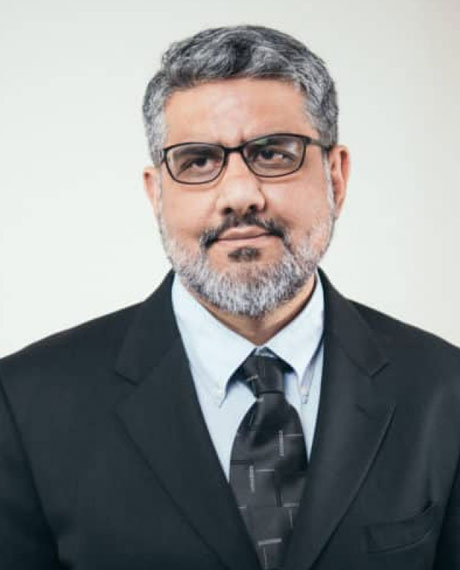
Aasim I. Padela
Dr. Aasim Padela is an emergency medicine physician, academic scholar, and thought leader at the intersection of bioethics, public health, and religion. With expertise spanning community-engaged research, faith based health interventions, and clinical ethics, he brings a unique “The Medic & The Mufti” perspective to this podcast series.
Dr. Padela is also the editor of landmark works at the intersection of Islam, bioscience, and bioethics. His newly published book, Bridging Bioscience and Islam: Engaging Big Questions about the Human Being, continues this work alongside Islam and Biomedicine, Medicine and Shariah, Maqasid Al-Shariah and Biomedicine, Organ Donation in Islam, and Islam, Muslims, and COVID-19, bridging scholarly and practical expertise to the conversations we host.
authors of the book
Dr. Omar Qureshi, PhD
Cambridge Muslim College
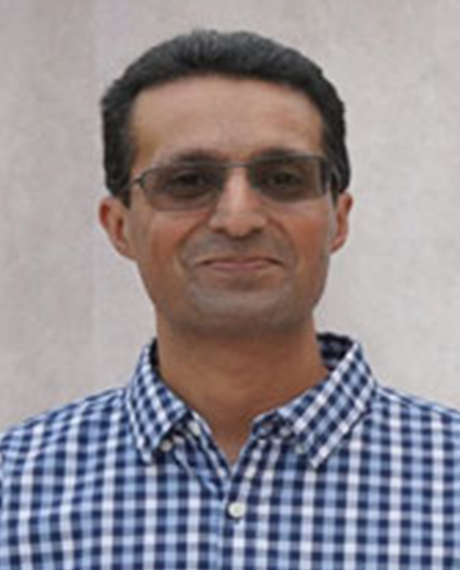
Dr. Macksood Aftab, DO
Michigan State University College of Human Medicine
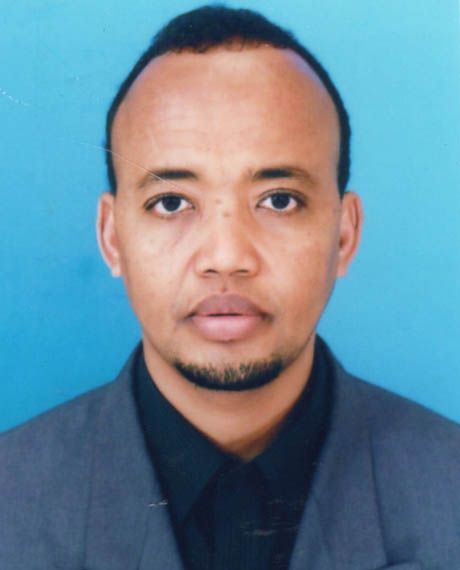
Prof. Abdurezak Hashi, Phd
International Islamic University
Malaysia
Dr. Mohd Yusof, Phd
International Islamic University
Malaysia
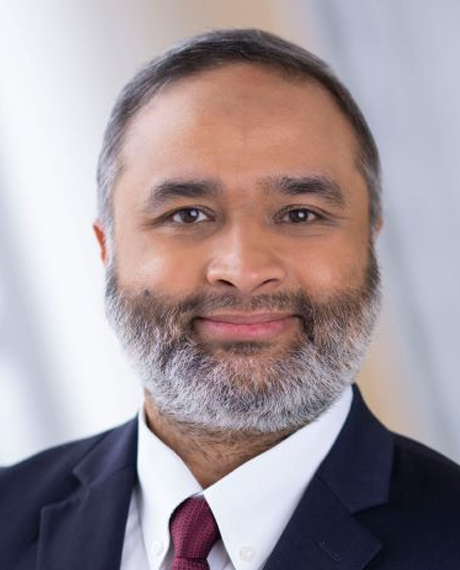
Dr. Ahsan M. Arozullah, MD, MPH
Darul Qasim College
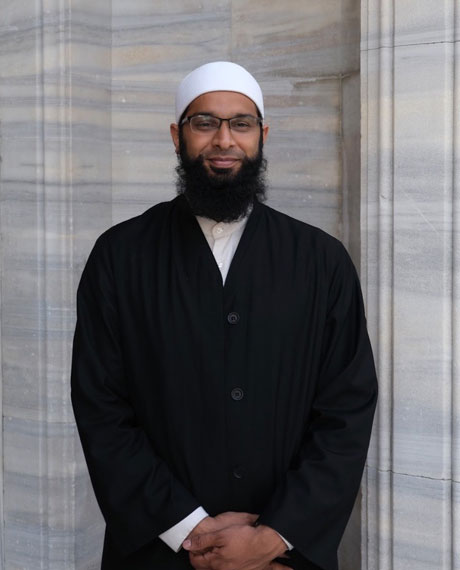
Shaykh Bilal Ansari
Darul Qasim College
Dr. Raudah Yunus, MBBCH, DrPh
The Medical College of Wisconsin
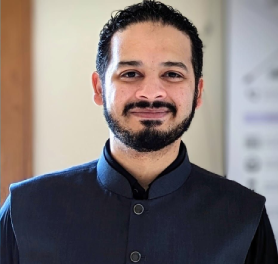
Usama Javed Mirza
University of Cambridge
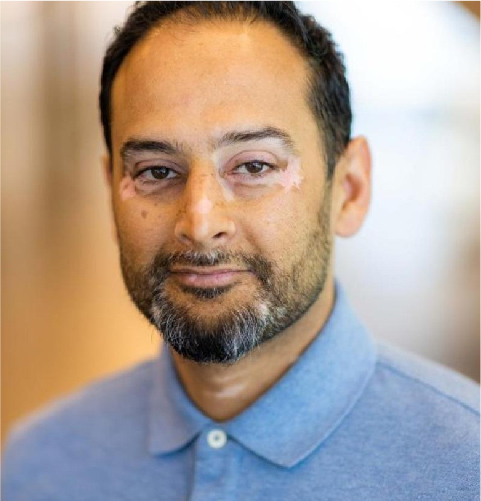
What people are saying

Bridging Bioscience and Islam is a compelling and urgently needed resource for educators, offering a rich intellectual framework for teaching science while engaging the profound questions students already carry about life, human origins, agency, and purpose. By challenging the assumed divide between Islam and bioscience, this volume empowers educators to move beyond compartmentalised curricula and model an integrated, confident approach to knowledge—one that nurtures coherent identities, ethical depth, and rigorous scientific inquiry.
Centre for Islamic Thought and Education, Adelaide University, Australia

“Asking what it means to be human is to stand at the crossroads of knowledge traditions... This book inhabits that crossroads, not to arbitrate between competing truths but to cultivate a disciplined conversation; one that bridges methods, honors epistemic limits and realigns the human being as both a biological reality and a theologically meaningful subject. In doing so, the book offers a timely and rigorous contribution to contemporary conversations at the intersection of Islam and science, specifically the life sciences.”
Institute of Islamic Understanding Malaysia, Kuala Lumpur, Malaysia

“Bridging Bioscience and Islam offers an intricate and deep dive into pre-modern Islamic theology, retrieving its rich intellectual traditions to serve as vital resources for contemporary bioethical inquiry. Bridging classical scholarship with modern bioscience allows authors to demonstrate how early frameworks of knowledge might provide meaningful answers to the most complex "Big Questions" facing humanity today.”
Mirza Family Professor in Islamic Thought & Muslim Societies, University of Notre Dame.

Bridging Bioscience and Islam is a rigorously edited and accomplished volume that makes a substantive contribution to scholarship and pedagogy at the intersection of Islam and the biosciences. Authored by leading educators and researchers, its chapters combine pedagogical clarity with deep scholarly engagement, offering evaluative frameworks, normative insights, and original analysis. Filling critical lacunae across Islamic studies, bioethics, and the medical humanities, this work is an essential resource for academics, educators, and professionals navigating religion–science discourse.