
- Latest Newsletter
- Call Us: +(00) 123-345-11
- Email:contact@medicineandislam.org
- contact@medicineandislam.org
Exploring Bioscience and Islam
A Curriculum on Fundamental Questions about the Human Being
This self-paced course introduces learners to big questions at the intersection of Islam, bioscience, theology, and the human being.
Through a multidisciplinary curriculum, learners explore questions of human origin, knowledge, the soul, consciousness, free will, evolution, artificial intelligence, human enhancement, and human uniqueness.
Explore foundational questions about what it means to be human
Engage Islamic thought alongside contemporary bioscience
Learn through a structured, self-paced online course.
6 Units
2–4 hours per module
Self-paced
Progress at your own speed
Available online
for learners and educators
Physician
Price: $300
Non Physician
Price: | $150
- About
- Curriculum
- Instructor
- Review
About this Course
Exploring Bioscience and Islam
Exploring Bioscience and Islam: A Curriculum on Fundamental Questions about the Human Being is designed to help learners engage some of the most important questions raised by modern bioscience through the lens of Islamic thought.
This curriculum addresses five fundamental questions about humankind:
- 1. What is the origin of humankind?
- 2. What is the human’s essential nature?
- 3. What is the human’s future?
- 4. Are human actions predetermined?
- 5. Are humans unique in the universe?
The course invites students, educators, and professionals to think deeply about what it means to be human. It explores questions around knowledge, creation, evolution, the soul, consciousness, artificial intelligence, free will, human enhancement, transhumanism, extraterrestrial life, and human uniqueness.
Rather than treating science and religion as separate or opposing fields, this curriculum creates space for thoughtful engagement between Islamic intellectual traditions and contemporary bioscientific inquiry. Learners are guided to examine how different sources of knowledge, including revelation, reason, empirical observation, and theological reflection, shape our understanding of the human being.
The course is especially useful for learners seeking to introduce meaningful discussions about Islam and science in a structured, accessible, and intellectually grounded way.
Learning Objectives
By the end of this course, learners will be able to:
- Identify key questions at the intersection of Islam and bioscience
- Understand how Islamic thought engages questions about human origin, nature, purpose, and uniqueness
- Reflect on the relationship between revelation, reason, empirical science, and theological inquiry
- Discuss major themes such as evolution, the soul, consciousness, free will, artificial intelligence, and human enhancement
- Explore how contemporary bioscience raises new ethical and theological questions
Who This Course Is For
This course is designed for:
- High school and college students interested in Islam and science
- Islamic school teachers and administrators
- University instructors and student group leaders
- Chaplains, clinicians, and healthcare professionals
- Parents and community leaders seeking structured educational resources
- Anyone interested in questions about science, faith, identity, and the human being
At a Glance
- Institution: Initiative on Islam and Medicine
- Course Title: Exploring Bioscience and Islam
- Subtitle: A Curriculum on Fundamental Questions about the Human Being
- Format: Online, self-paced course
- Language: English
- Access: Available through MuslimEdEx
- Subject Areas: Islam and Science, Bioscience, Theology, Bioethics, Human Identity
- Prerequisites: None; this is an introductory course
Looking for the Educator Curriculum?
If you’re an educator seeking lesson plans, presentations, worksheets, and classroom resources, explore the free Exploring Bioscience & Islam Curriculum.
Self paced
Progress through the course at your own pace within the 6 month cohort
Shareable Certificate
Earn a Certificate upon completion
100% online
Start instantly and learn at your own schedule.

In Collaboration with MuslimEdEx
This self-paced course is offered in collaboration with MuslimEdEx, providing learners with online access to a structured curriculum on Islam, bioscience, theology, and the human being.

In Collaboration with: Islamic Medical Association of North America (IMANA)
The self-paced delivery was facilitated through the digital learning platform of Islamic Medical Association of North America (IMANA), enabling seamless global access for participants.

25 credits
Islamic Medical Association of North America (IMANA) is accredited by the
Accreditation Council for Continuing Medical Education to
provide continuing medical education for physicians.
Islamic Medical Association of North America (IMANA) designates this enduring
material for a maximum of 25 AMA PRA Category 1
Credit(s)™. Physicians should claim only the credit
commensurate with the extent of their participation in the
activity.
Islamic Medical Association of North America (IMANA) designates this activity
for up to 16.5 hours of participation for continuing
education for allied health professionals.
ACCME Accreditation:
Islamic Medical Association of North America (IMANA) is accredited by the
Accreditation Council for Continuing Medical Education to
provide continuing medical education for physicians.
AMA Credit Designation:
Islamic Medical Association of North America (IMANA) designates this enduring
material for a maximum of 25 AMA PRA Category 1
Credit(s)™. Physicians should claim only the credit
commensurate with the extent of their participation in the
activity.
Hours of Participation for Allied Health Care Professionals:
Islamic Medical Association of North America (IMANA) designates this activity
for up to 16.5 hours of participation for continuing
education for allied health professionals.
What You’ll Learn
Unit 1: What Do We Know and How Do We Know?
This unit introduces learners to questions of knowledge, truth, and epistemology. It explores how human beings come to know what they know, and how Islamic and scientific frameworks approach truth, evidence, and understanding.
Unit 2: Evolution and Other Special Creation
This unit examines questions of human origin, evolution, creation, and the relationship between scientific accounts of life and Islamic theological reflection.
Unit 3: What Does It Mean to Be Human? Neuroscience, Artificial Intelligence, and the Soul
This unit explores questions of consciousness, the mind, the soul, and personhood in light of developments in neuroscience and artificial intelligence.
Unit 4: Human Enhancement and Transhumanism
This unit introduces ethical and theological questions raised by human enhancement, biotechnology, and transhumanist visions of the future.
Unit 5: Are We Programmed or Do We Have Free Will?
This unit engages questions of determinism, moral agency, responsibility, divine knowledge, and human choice.
Unit 6: Extraterrestrial Intelligent Life and Human Uniqueness
This unit explores how questions about extraterrestrial life invite deeper reflection on human uniqueness, theology, science, and the place of the human being in creation.
Knowledge & Inquiry
How do we know what we know, and how do Islam and bioscience approach truth, knowledge, and evidence?
Human Origin
Explore questions of creation, evolution, and the origin of humankind.
Human Nature
Reflect on what it means to be human, including the soul, consciousness, neuroscience, and artificial intelligence.
Free Will & Agency
Engage questions of determinism, moral responsibility, divine knowledge, and human choice.
Human Uniqueness
Reflect on whether human beings are unique in the universe and what that means through Islamic and scientific perspectives.
Meet The Project Team

Our team consists of bioscientists, educators and theologians from across the globe.
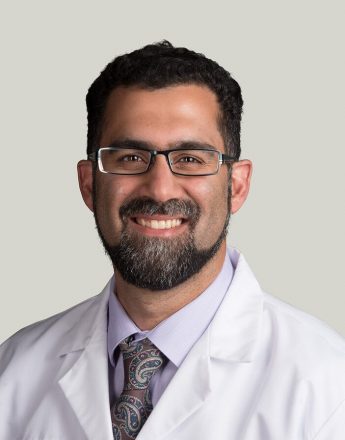
Dr. Aasim I. Padela, MD, MSc
The Medical College of Wisconsin
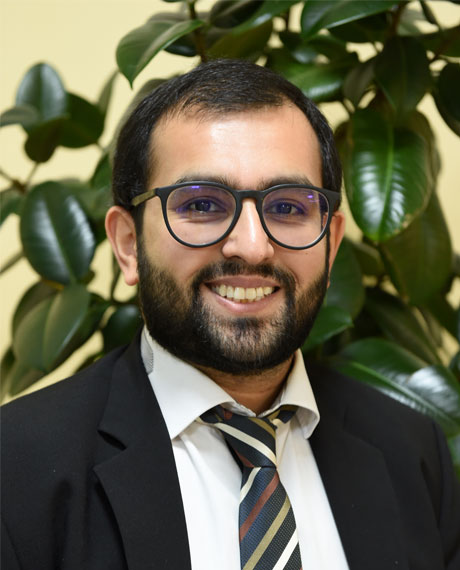
Dr. Shoaib Ahmed Malik, PhD
University of Edinburgh
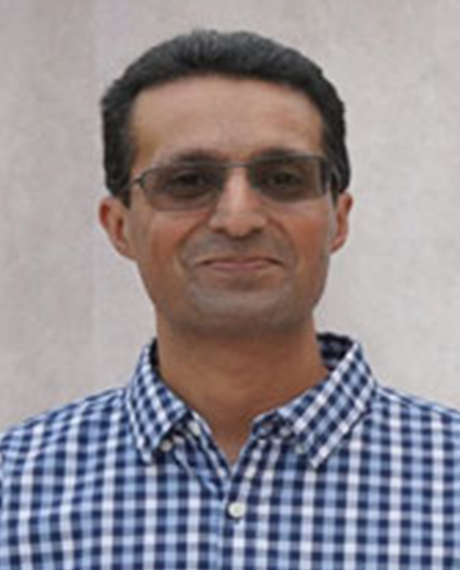
Dr. Macksood Aftab, DO
Michigan State University College of Human Medicine
Prof. Abdurezak Hashi, Phd
International Islamic University
Malaysia

Dr. Mohd Yusof, Phd
International Islamic University
Malaysia
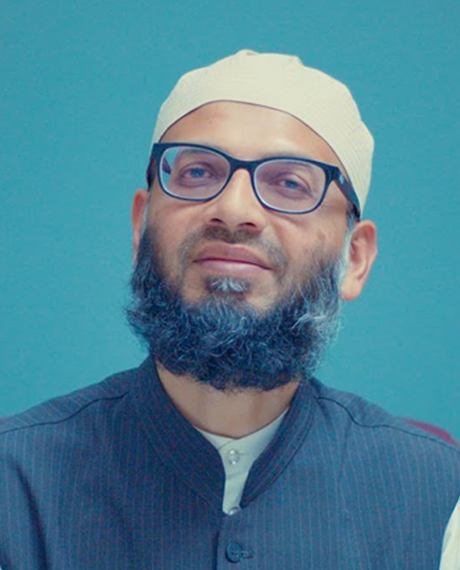
Shaykh Hamza Karamali, MASc
Basira Education
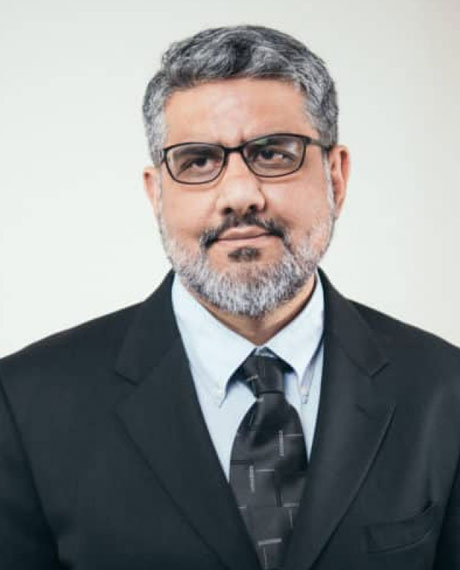
Dr. Omar Qureshi, PhD
Cambridge Muslim College
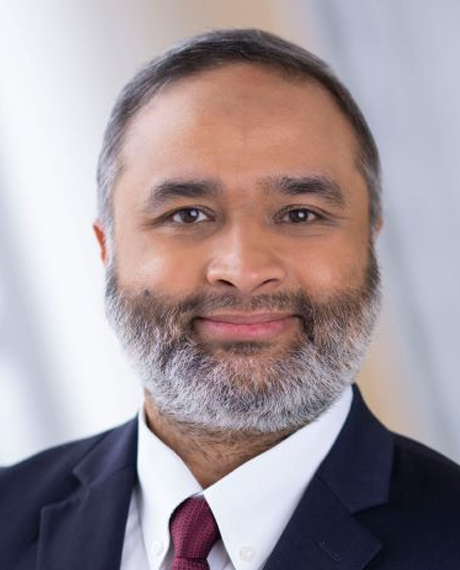
Dr. Ahsan M. Arozullah, MD, MPH
Darul Qasim College
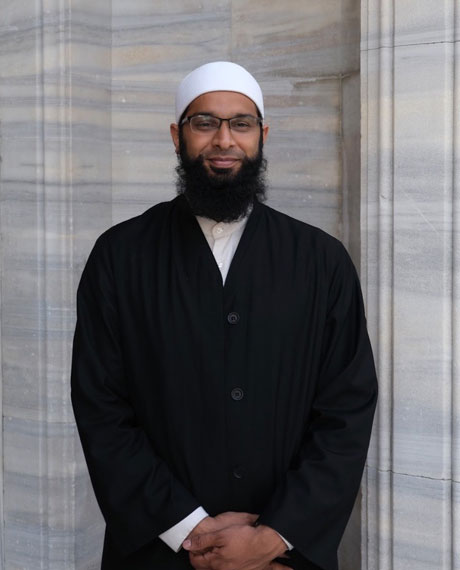
Shaykh Bilal Ansari
Darul Qasim College
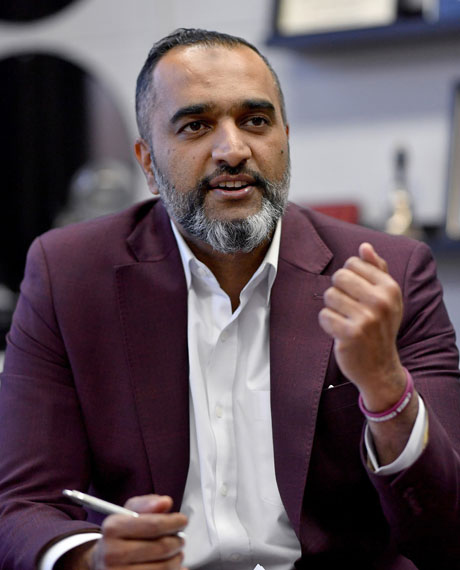
Habeeb Quadri
High Quality Educational Consulting
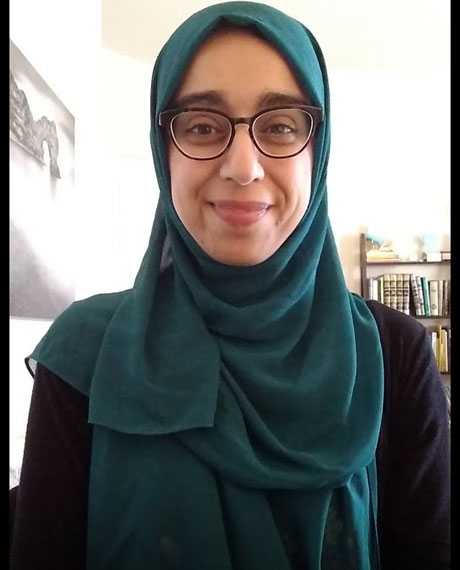
Dr. Shaza Khan, PhD
Executive Director of the Islamic Schools League of America (ISLA)
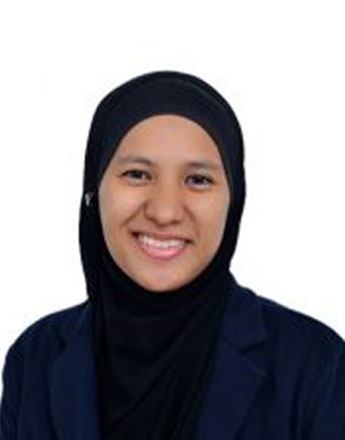
Dr. Raudah Yunus, MBBCH, DrPh
The Medical College of Wisconsin
- Curriculum
- About
- Instructor
- Review
What You’ll Learn
Unit 1: What Do We Know and How Do We Know?
This unit introduces learners to questions of knowledge, truth, and epistemology. It explores how human beings come to know what they know, and how Islamic and scientific frameworks approach truth, evidence, and understanding.
Unit 2: Evolution and Other Special Creation
This unit examines questions of human origin, evolution, creation, and the relationship between scientific accounts of life and Islamic theological reflection.
Unit 3: What Does It Mean to Be Human? Neuroscience, Artificial Intelligence, and the Soul
This unit explores questions of consciousness, the mind, the soul, and personhood in light of developments in neuroscience and artificial intelligence.
Unit 4: Human Enhancement and Transhumanism
This unit introduces ethical and theological questions raised by human enhancement, biotechnology, and transhumanist visions of the future.
Unit 5: Are We Programmed or Do We Have Free Will?
This unit engages questions of determinism, moral agency, responsibility, divine knowledge, and human choice.
Unit 6: Extraterrestrial Intelligent Life and Human Uniqueness
This unit explores how questions about extraterrestrial life invite deeper reflection on human uniqueness, theology, science, and the place of the human being in creation.
Knowledge & Inquiry
How do we know what we know, and how do Islam and bioscience approach truth, knowledge, and evidence?
Human Origin
Explore questions of creation, evolution, and the origin of humankind.
Human Nature
Reflect on what it means to be human, including the soul, consciousness, neuroscience, and artificial intelligence.
Free Will & Agency
Engage questions of determinism, moral responsibility, divine knowledge, and human choice.
Human Uniqueness
Reflect on whether human beings are unique in the universe and what that means through Islamic and scientific perspectives.
About this Course
Exploring Bioscience and Islam
Exploring Bioscience and Islam: A Curriculum on Fundamental Questions about the Human Being is designed to help learners engage some of the most important questions raised by modern bioscience through the lens of Islamic thought.
This curriculum addresses five fundamental questions about humankind:
- 1. What is the origin of humankind?
- 2. What is the human’s essential nature?
- 3. What is the human’s future?
- 4. Are human actions predetermined?
- 5. Are humans unique in the universe?
The course invites students, educators, and professionals to think deeply about what it means to be human. It explores questions around knowledge, creation, evolution, the soul, consciousness, artificial intelligence, free will, human enhancement, transhumanism, extraterrestrial life, and human uniqueness.
Rather than treating science and religion as separate or opposing fields, this curriculum creates space for thoughtful engagement between Islamic intellectual traditions and contemporary bioscientific inquiry. Learners are guided to examine how different sources of knowledge, including revelation, reason, empirical observation, and theological reflection, shape our understanding of the human being.
The course is especially useful for learners seeking to introduce meaningful discussions about Islam and science in a structured, accessible, and intellectually grounded way.
Learning Objectives
By the end of this course, learners will be able to:
- Identify key questions at the intersection of Islam and bioscience
- Understand how Islamic thought engages questions about human origin, nature, purpose, and uniqueness
- Reflect on the relationship between revelation, reason, empirical science, and theological inquiry
- Discuss major themes such as evolution, the soul, consciousness, free will, artificial intelligence, and human enhancement
- Explore how contemporary bioscience raises new ethical and theological questions
Who This Course Is For
This course is designed for:
- High school and college students interested in Islam and science
- Islamic school teachers and administrators
- University instructors and student group leaders
- Chaplains, clinicians, and healthcare professionals
- Parents and community leaders seeking structured educational resources
- Anyone interested in questions about science, faith, identity, and the human being
At a Glance
- Institution: Initiative on Islam and Medicine
- Course Title: Exploring Bioscience and Islam
- Subtitle: A Curriculum on Fundamental Questions about the Human Being
- Format: Online, self-paced course
- Language: English
- Access: Available through MuslimEdEx
- Subject Areas: Islam and Science, Bioscience, Theology, Bioethics, Human Identity
- Prerequisites: None; this is an introductory course
Looking for the Educator Curriculum?
If you’re an educator seeking lesson plans, presentations, worksheets, and classroom resources, explore the free Exploring Bioscience & Islam Curriculum.
Self paced
Progress through the course at your own pace within the 6 month cohort
Shareable Certificate
Earn a Certificate upon completion
100% online
Start instantly and learn at your own schedule.
In Collaboration with MuslimEdEx
This self-paced course is offered in collaboration with MuslimEdEx, providing learners with online access to a structured curriculum on Islam, bioscience, theology, and the human being.
In Collaboration with: Islamic Medical Association of North America (IMANA)
The self-paced delivery was facilitated through the digital learning platform of Islamic Medical Association of North America (IMANA), enabling seamless global access for participants.
25 credits
Islamic Medical Association of North America (IMANA) is accredited by the
Accreditation Council for Continuing Medical Education to
provide continuing medical education for physicians.
Islamic Medical Association of North America (IMANA) designates this enduring
material for a maximum of 25 AMA PRA Category 1
Credit(s)™. Physicians should claim only the credit
commensurate with the extent of their participation in the
activity.
Islamic Medical Association of North America (IMANA) designates this activity
for up to 16.5 hours of participation for continuing
education for allied health professionals.
ACCME Accreditation:
Islamic Medical Association of North America (IMANA) is accredited by the
Accreditation Council for Continuing Medical Education to
provide continuing medical education for physicians.
AMA Credit Designation:
Islamic Medical Association of North America (IMANA) designates this enduring
material for a maximum of 25 AMA PRA Category 1
Credit(s)™. Physicians should claim only the credit
commensurate with the extent of their participation in the
activity.
Hours of Participation for Allied Health Care Professionals:
Islamic Medical Association of North America (IMANA) designates this activity
for up to 16.5 hours of participation for continuing
education for allied health professionals.
Instructor
Aasim I. Padela, MD, MSc, FACEP
Founder, Initiative on Islam and Medicine
Dr. Aasim I. Padela is a physician-scholar whose work sits at the intersection of medicine, bioethics, Islamic theology, public health, and Muslim community engagement. He has led major educational and research initiatives exploring the relationship between Islam, biomedicine, and the health sciences.
Through his scholarship and educational programming, Dr. Padela has helped develop resources that support students, educators, clinicians, and communities in engaging complex questions about science, ethics, religion, and human life.
Salman Jafri
★★★★★
I felt the course to be valuable and long overdue, meaning, American Muslim physicians have much work to do in furthering conversations about Islam and medicine. It is both motivating and inspiring to see Dr. Padela's work continue this way. I look forward to future output from him and would recommend colleagues to check out the work of II&M.
Jaye Starr Boz
★★★★★
I'm really grateful for the opportunity to take this class. It offered lots of helpful content and valuable learning experiences, Alhamdulillah.
Almas Sheikh
★★★★★
Thank you for a very educational and informative course. It has been enlightening to read through the materials as an introduction to the topics of Islamic bioethics. The format is easily accessible, and the ability to complete it at my own pace has been very useful.
Islamic Bioethics

Initiative on Islam and Medicine © 2025 - All Rights Reserved. Designed and Powered By Digaptics