
Becoming a Muslim Doctor: Foundations of Identity, Ethics, and Practice
This program builds on your personal calling to pursue medicine through structured reflection on what it means to approach medicine as a Muslim. By grounding your identity before training begins to shape it, the program supports the integration of religious identity with your emerging professional role.
Students explore classical Islamic texts alongside contemporary perspectives spanning adab, bioethics, philosophy, and physicianship — learning from both the depth of the Islamic intellectual tradition and from contemporary Muslim physician exemplars who merge their religious and professional identities with wisdom.
- Explore selected passages from the Qur’an and Hadith, as well as texts about physicianship.
- Engage in personal and group-based reflection focused on core identity features, meaning and purpose
- Gain insights from Muslim physicians navigating the integration of faith and practice today
10 modules
2 hours per session
Live-Cohort Based Program
Discussion sessions on Zoom
Digital Certificate
The course started on July 1st and closed on December 31st.
The course started on July 1st and closed on December 31st.
- About
- Instructor
- Review
About this Course
Becoming a Muslim Doctor: Foundations of Identity, Ethics, and Practice
Becoming a Muslim Doctor: Foundations of Identity, Ethics, and Practice is a reflective and formative program designed for first- and second-year medical students who want to connect their medical training with Islamic values, ethical practice, and spiritual purpose. Through live monthly sessions, classical texts, guided reflection, contemporary moral discussions, and fellowship with peers and mentors, students will explore what it means to pursue medicine as a Muslim.
The course encourages learners to think beyond academic achievement and clinical skill by grounding their future practice in meaning, adab, service, responsibility, and care for the whole person. Students will engage Islamic texts, discuss contemporary issues in medicine, reflect on personal calling, and develop a stronger sense of professional identity as future Muslim physicians.
- Reflect on your vocational calling and purpose as a future physician
- Explore Islamic concepts related to ethics, character, service, and professional responsibility
- Understand how Islamic moral frameworks can inform medical practice
- Build fellowship with peers and mentors pursuing medicine with shared values
What you'll learn
At a glance
Institution: Initiative on Islam and Medicine
Subject: Introduction to field of Islamic bioethics
Level: Introductory
Prerequisites: None (This is an introductory course)
Language: English
Language: English
Live-Cohort Based Program
Progress through the course in a cohort and attend monthly 2hr zoom session
Shareable Certificate
Earn a Certificate upon completion
100% online
Follow with a cohort.

In Collaboration with: Muslim Edex
The self-paced delivery was facilitated through the digital learning platform of Muslim Edex, enabling seamless global access for participants.

32 credits
Islamic Medical Association of North America (IMANA) is accredited by the
Accreditation Council for Continuing Medical Education to
provide continuing medical education for physicians.
Islamic Medical Association of North America (IMANA) designates this enduring
material for a maximum of 25 AMA PRA Category 1
Credit(s)™. Physicians should claim only the credit
commensurate with the extent of their participation in the
activity.
Islamic Medical Association of North America (IMANA) designates this activity
for up to 16.5 hours of participation for continuing
education for allied health professionals.
ACCME Accreditation:
Islamic Medical Association of North America (IMANA) is accredited by the
Accreditation Council for Continuing Medical Education to
provide continuing medical education for physicians.
AMA Credit Designation:
Islamic Medical Association of North America (IMANA) designates this enduring
material for a maximum of 32 AMA PRA Category 1
Credit(s)™. Physicians should claim only the credit
commensurate with the extent of their participation in the
activity.
Hours of Participation for Allied Health Care Professionals:
Islamic Medical Association of North America (IMANA) designates this activity
for up to 16.5 hours of participation for continuing
education for allied health professionals.

Instructor
Professor · Emergency Medicine, Bioethics & Medical Humanities - Founder, Board Member, Initiative on Islam & Medicine.
Leading scholar in Islamic bioethics, Muslim physician identity, and medical professionalism — with extensive teaching experience at intersection of Islam and biomedicine.
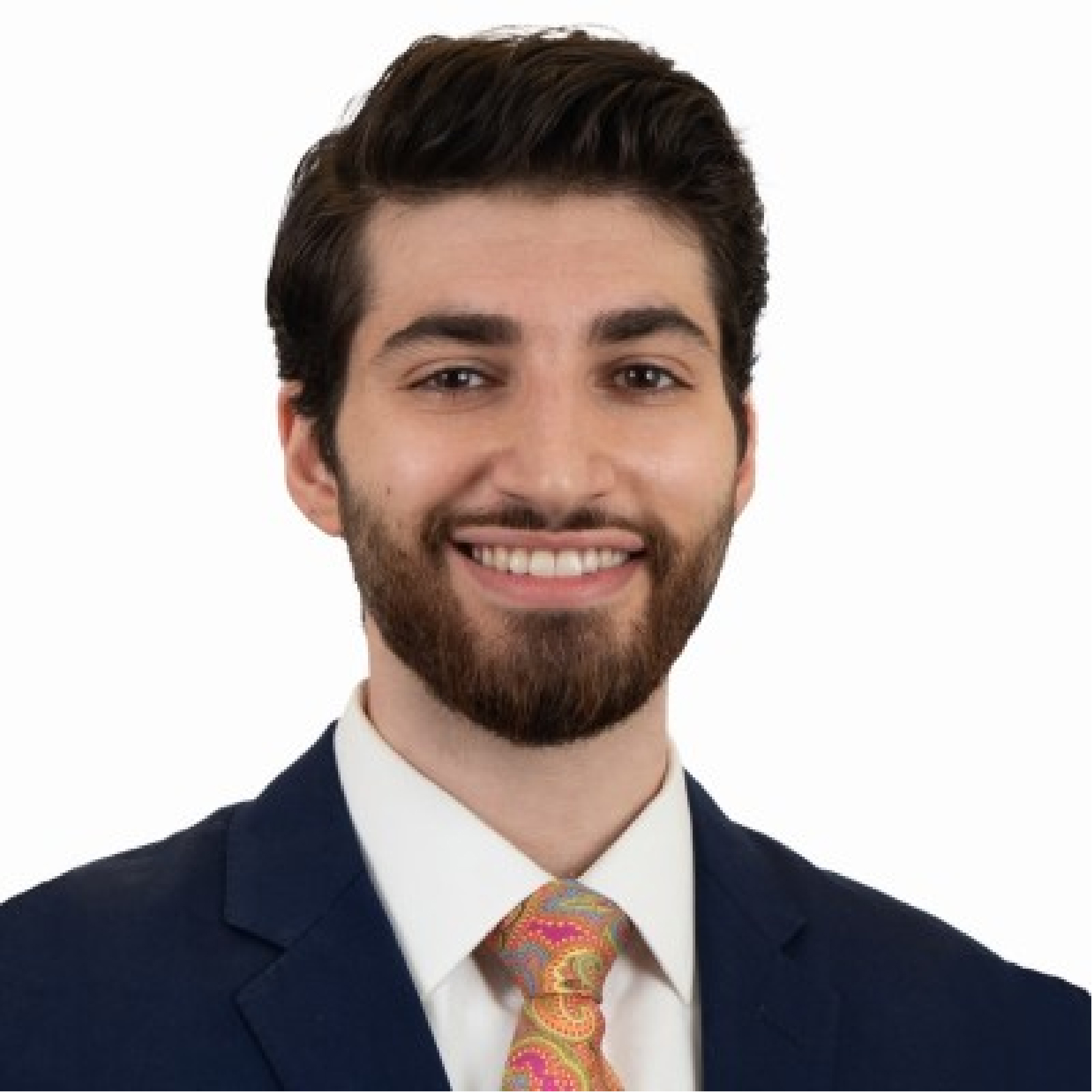
Instructor
MD/PhD Researcher · Medical Humanities, Ethics & History of Medicine
Research background spans cancer immunology and the history of science, medicine, and technology — with current focus on virtue ethics in medical education informed by Greek and Islamic concepts of human flourishing.