
Islam, Muslims, and COVID-19
The Intersection of Ethics, Health and Social Life in the Diaspora
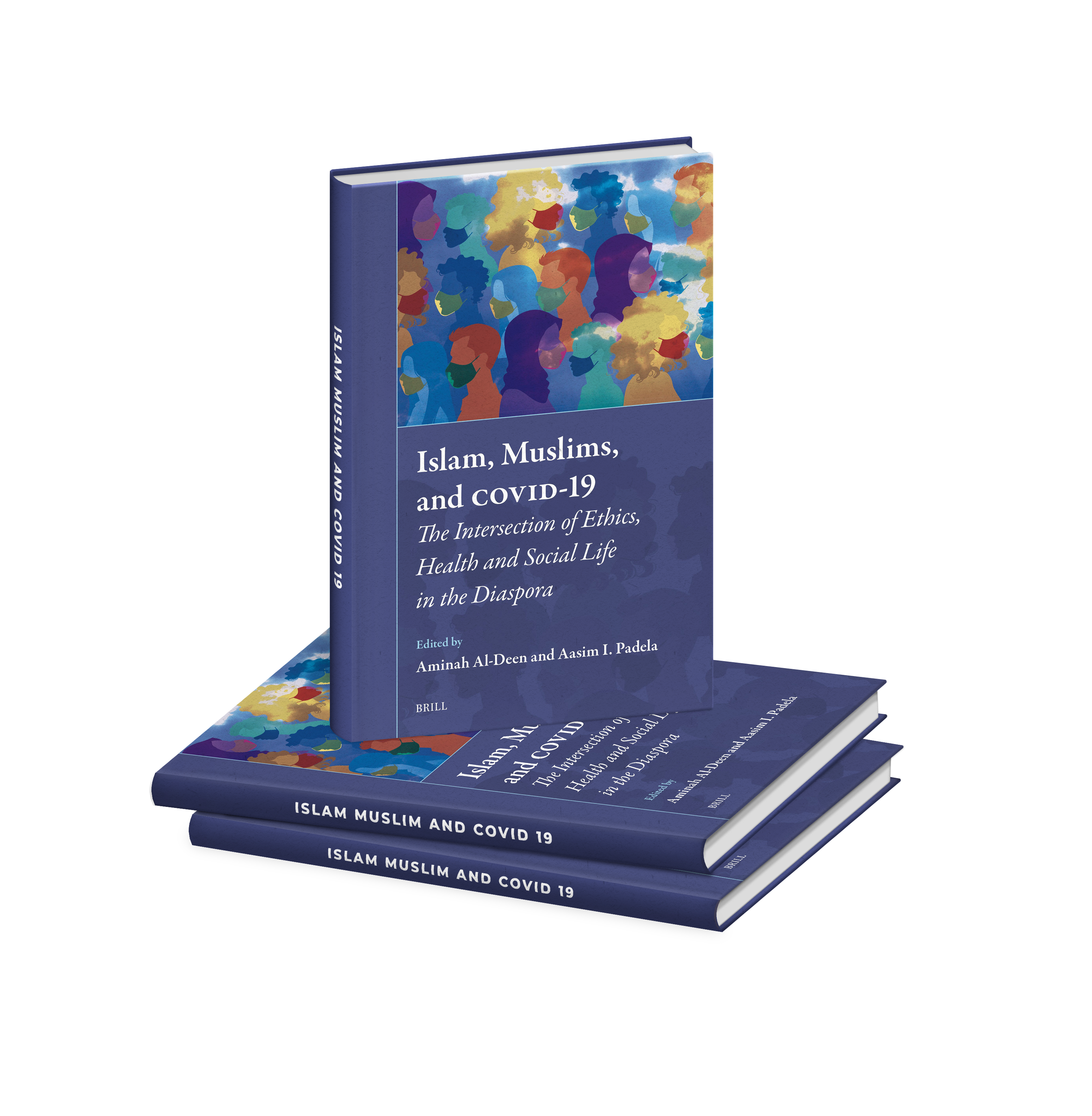
This book brings together diverse disciplinary perspectives to provide a multidisciplinary and multidimensional account of Muslim ethics operating in the COVID-19 era, where scriptural values, lived experiences, societal structures, and cultural contexts combine in fresh and diverse ways.
Dr. Aasim I. Padela
25% off with code 72425
About the book
Islam, Muslims, and COVID-19
The Intersection of Ethics, Health and Social Life in the Diaspora
This volume brings together diverse disciplinary perspectives to provide a multidisciplinary and multidimensional account of Muslim ethics operating in the COVID-19 era, where scriptural values, lived experiences, societal structures, and cultural contexts combine in fresh and diverse ways. Indeed, Islamic ethical evaluation often ignores contributions from the social sciences, and contextual factors are not fully understood when issuing Islamic edicts. This volume thus aims at a more connected account of how religious concerns generated challenges and how Muslims lived out their religious values during the pandemic. Alongside descriptive accounts are normative evaluations, and insights from interviews are connected with survey analyses; in this way, the chapters render a more complete account of the intersectional engagement of Muslim healthcare professionals and community members living in minority contexts with the early stages of the COVID-19 pandemic.
What’s inside the book
1. Public Health and Religion
Explore the alignment of public health mandates with Islamic bioethical guidance during the COVID-19 pandemic, with insights into religious goals and healthcare policies.
2. Community, Religion, and Advocacy
Examine the intersection of healthcare advocacy, religion, and community efforts during the global pandemic, highlighting diverse perspectives and challenges faced.
3. Impact on Healthcare and Mental Health
Discover the effects of COVID-19 on healthcare access for immigrant populations and analyze the mental health and coping mechanisms of Muslims during the pandemic.
4. Islamic Perspectives on Pandemics
Delve into an Islamic ethico-legal framework for pandemics, reflections of Muslim healthcare workers, and the impact of Ramadan fasting on COVID-19 outcomes.
The Editors
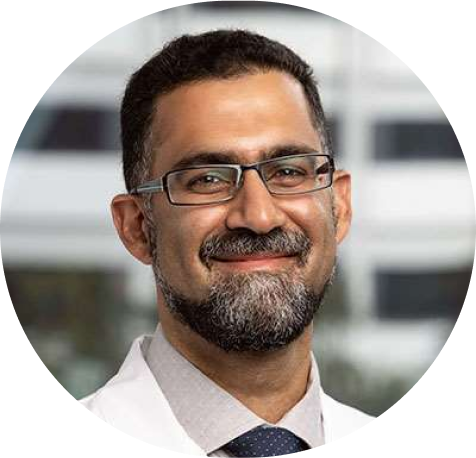
Aasim I. Padela
Dr. Padela is a bioethicist, community health researcher, and emergency medicine clinician. As a multidisciplinary academic scholar, Dr. Padela holds an MD from Weill Cornell Medical College, an MSc in Healthcare Research from the University of
Michigan, a BS in Biomedical Engineering, and a BA in Classical Arabic from the University of Rochester. His formal training includes a residency in emergency medicine at the University of Rochester, a health services research fellowship at the University of Michigan, a medical ethics fellowship at the MacLean Center for Clinical Medical Ethics at the University of Chicago, and an Islamic theology & law fellowship at the Oxford Center for Islamic Studies.
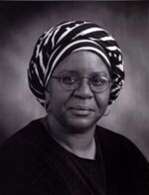
Dr. Aminah Al-Deen
Dr. Aminah Beverly (McCloud) Al-Deen is professor emerita of Islamic Studies in the Department of Religious Studies at DePaul University. In 2006, she founded the United States’ first undergraduate baccalaureate program in Islamic World Studies. She is the former Editor in Chief of the Journal of Islamic Law & Culture.
Dr. Al-Deen is a Senior Fulbright Scholar, host of Critical Talk a Muslim Network TV production, executive board member of IMAN (Inner City Muslim Action Network), board member of Soundvision, Muslim Mental Health, Muslim Arc, Greenwood Policy Institute and the American editor for the Muslim Minorities in the West Series for Brill Publishers. Dr. Al-Deen is also the Project Director and Primary Investigator of the BlackAmerican Muslim Internationalism Project (BAMI).
Know about the Editors
Shafiq W. Ahmed
Anam Tariq
Marium Husain
Sana Syed
Ummesalmah
Abdul Baseer
Maham Mirza
Moina Hussain
Aisha Zafar
Urooj Rehman
Fatema Mirza
Constance Shabazz
Osman Umarji
Aafreen A. Mahmood
Leena Raza
Rania Awaad
Diane Ameena Mitchell
Shaza Khan
Karim Mitha
Salman Waqar
Miqdad Asaria
Mehrunisha
Suleiman Nazim
Ghouri
Rafaqat Rashid
What people are saying
Book Reviews
About this Course
Exploring Bioscience and Islam
Exploring Bioscience and Islam: A Curriculum on Fundamental Questions about the Human Being is designed to help learners engage some of the most important questions raised by modern bioscience through the lens of Islamic thought.
This curriculum addresses five fundamental questions about humankind:
- 1. What is the origin of humankind?
- 2. What is the human’s essential nature?
- 3. What is the human’s future?
- 4. Are human actions predetermined?
- 5. Are humans unique in the universe?
The course invites students, educators, and professionals to think deeply about what it means to be human. It explores questions around knowledge, creation, evolution, the soul, consciousness, artificial intelligence, free will, human enhancement, transhumanism, extraterrestrial life, and human uniqueness.
Rather than treating science and religion as separate or opposing fields, this curriculum creates space for thoughtful engagement between Islamic intellectual traditions and contemporary bioscientific inquiry. Learners are guided to examine how different sources of knowledge, including revelation, reason, empirical observation, and theological reflection, shape our understanding of the human being.
The course is especially useful for learners seeking to introduce meaningful discussions about Islam and science in a structured, accessible, and intellectually grounded way.
Learning Objectives
By the end of this course, learners will be able to:
- Identify key questions at the intersection of Islam and bioscience
- Understand how Islamic thought engages questions about human origin, nature, purpose, and uniqueness
- Reflect on the relationship between revelation, reason, empirical science, and theological inquiry
- Discuss major themes such as evolution, the soul, consciousness, free will, artificial intelligence, and human enhancement
- Explore how contemporary bioscience raises new ethical and theological questions
Who This Course Is For
This course is designed for:
- High school and college students interested in Islam and science
- Islamic school teachers and administrators
- University instructors and student group leaders
- Chaplains, clinicians, and healthcare professionals
- Parents and community leaders seeking structured educational resources
- Anyone interested in questions about science, faith, identity, and the human being
At a Glance
- Institution: Initiative on Islam and Medicine
- Course Title: Exploring Bioscience and Islam
- Subtitle: A Curriculum on Fundamental Questions about the Human Being
- Format: Online, self-paced course
- Language: English
- Access: Available through MuslimEdEx
- Subject Areas: Islam and Science, Bioscience, Theology, Bioethics, Human Identity
- Prerequisites: None; this is an introductory course
Looking for the Educator Curriculum?
If you’re an educator seeking lesson plans, presentations, worksheets, and classroom resources, explore the free Exploring Bioscience & Islam Curriculum.
Self paced
Progress through the course at your own pace within the 6 month cohort
Shareable Certificate
Earn a Certificate upon completion
100% online
Start instantly and learn at your own schedule.

In Collaboration with MuslimEdEx
This self-paced course is offered in collaboration with MuslimEdEx, providing learners with online access to a structured curriculum on Islam, bioscience, theology, and the human being.

In Collaboration with: Islamic Medical Association of North America (IMANA)
The self-paced delivery was facilitated through the digital learning platform of Islamic Medical Association of North America (IMANA), enabling seamless global access for participants.

25 credits
Islamic Medical Association of North America (IMANA) is accredited by the
Accreditation Council for Continuing Medical Education to
provide continuing medical education for physicians.
Islamic Medical Association of North America (IMANA) designates this enduring
material for a maximum of 25 AMA PRA Category 1
Credit(s)™. Physicians should claim only the credit
commensurate with the extent of their participation in the
activity.
Islamic Medical Association of North America (IMANA) designates this activity
for up to 16.5 hours of participation for continuing
education for allied health professionals.
ACCME Accreditation:
Islamic Medical Association of North America (IMANA) is accredited by the
Accreditation Council for Continuing Medical Education to
provide continuing medical education for physicians.
AMA Credit Designation:
Islamic Medical Association of North America (IMANA) designates this enduring
material for a maximum of 25 AMA PRA Category 1
Credit(s)™. Physicians should claim only the credit
commensurate with the extent of their participation in the
activity.
Hours of Participation for Allied Health Care Professionals:
Islamic Medical Association of North America (IMANA) designates this activity
for up to 16.5 hours of participation for continuing
education for allied health professionals.
About this Course
Exploring Bioscience and Islam
Exploring Bioscience and Islam: A Curriculum on Fundamental Questions about the Human Being is designed to help learners engage some of the most important questions raised by modern bioscience through the lens of Islamic thought.
This curriculum addresses five fundamental questions about humankind:
- 1. What is the origin of humankind?
- 2. What is the human’s essential nature?
- 3. What is the human’s future?
- 4. Are human actions predetermined?
- 5. Are humans unique in the universe?
The course invites students, educators, and professionals to think deeply about what it means to be human. It explores questions around knowledge, creation, evolution, the soul, consciousness, artificial intelligence, free will, human enhancement, transhumanism, extraterrestrial life, and human uniqueness.
Rather than treating science and religion as separate or opposing fields, this curriculum creates space for thoughtful engagement between Islamic intellectual traditions and contemporary bioscientific inquiry. Learners are guided to examine how different sources of knowledge, including revelation, reason, empirical observation, and theological reflection, shape our understanding of the human being.
The course is especially useful for learners seeking to introduce meaningful discussions about Islam and science in a structured, accessible, and intellectually grounded way.
Learning Objectives
By the end of this course, learners will be able to:
- Identify key questions at the intersection of Islam and bioscience
- Understand how Islamic thought engages questions about human origin, nature, purpose, and uniqueness
- Reflect on the relationship between revelation, reason, empirical science, and theological inquiry
- Discuss major themes such as evolution, the soul, consciousness, free will, artificial intelligence, and human enhancement
- Explore how contemporary bioscience raises new ethical and theological questions
Who This Course Is For
This course is designed for:
- High school and college students interested in Islam and science
- Islamic school teachers and administrators
- University instructors and student group leaders
- Chaplains, clinicians, and healthcare professionals
- Parents and community leaders seeking structured educational resources
- Anyone interested in questions about science, faith, identity, and the human being
At a Glance
- Institution: Initiative on Islam and Medicine
- Course Title: Exploring Bioscience and Islam
- Subtitle: A Curriculum on Fundamental Questions about the Human Being
- Format: Online, self-paced course
- Language: English
- Access: Available through MuslimEdEx
- Subject Areas: Islam and Science, Bioscience, Theology, Bioethics, Human Identity
- Prerequisites: None; this is an introductory course
Looking for the Educator Curriculum?
If you’re an educator seeking lesson plans, presentations, worksheets, and classroom resources, explore the free Exploring Bioscience & Islam Curriculum.
Self paced
Progress through the course at your own pace within the 6 month cohort
Shareable Certificate
Earn a Certificate upon completion
100% online
Start instantly and learn at your own schedule.
In Collaboration with MuslimEdEx
This self-paced course is offered in collaboration with MuslimEdEx, providing learners with online access to a structured curriculum on Islam, bioscience, theology, and the human being.
In Collaboration with: Islamic Medical Association of North America (IMANA)
The self-paced delivery was facilitated through the digital learning platform of Islamic Medical Association of North America (IMANA), enabling seamless global access for participants.
25 credits
Islamic Medical Association of North America (IMANA) is accredited by the
Accreditation Council for Continuing Medical Education to
provide continuing medical education for physicians.
Islamic Medical Association of North America (IMANA) designates this enduring
material for a maximum of 25 AMA PRA Category 1
Credit(s)™. Physicians should claim only the credit
commensurate with the extent of their participation in the
activity.
Islamic Medical Association of North America (IMANA) designates this activity
for up to 16.5 hours of participation for continuing
education for allied health professionals.
ACCME Accreditation:
Islamic Medical Association of North America (IMANA) is accredited by the
Accreditation Council for Continuing Medical Education to
provide continuing medical education for physicians.
AMA Credit Designation:
Islamic Medical Association of North America (IMANA) designates this enduring
material for a maximum of 25 AMA PRA Category 1
Credit(s)™. Physicians should claim only the credit
commensurate with the extent of their participation in the
activity.
Hours of Participation for Allied Health Care Professionals:
Islamic Medical Association of North America (IMANA) designates this activity
for up to 16.5 hours of participation for continuing
education for allied health professionals.
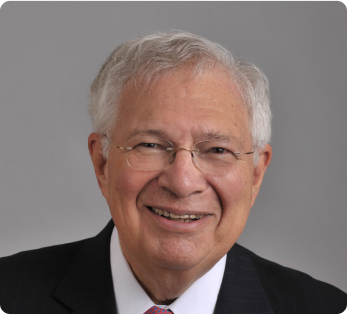
 Organ Donation in Islam: The Interplay of Jurisprudence, Ethics, and Society makes an important scholarly contribution at the intersection of the Islamic tradition and biomedicine. Co-edited by an interdisciplinary team, the book covers important ethical issues related to organ donation among Muslim communities. This work continues lines of inquiry important to the field of clinical medical ethics as it relates to patient decision making regarding organ donation and transplantation.
Mark Siegler,
The University of Chicago