Overview

The IMCAN Study is a community-based research initiative aimed at improving participation in breast, cervical, and bowel cancer screening among Muslim women in the UK.
The IMCAN Study investigates how to improve cancer screening uptake among Muslim women in the UK by developing, refining, and evaluating a culturally tailored, faith-integrated screening workshop. This project is led by the Beacon4Health team and funded by Cancer Research UK.
The study focuses on breast, cervical, and bowel cancer screening, areas where participation among Muslim women remains significantly lower. Early findings suggest respectful messaging, community-based facilitation, and Islamic perspectives on health can meaningfully support informed decision‑making and increase screening attendance.
IMCAN study duration: January 2023–June 2026
Why This Study Matters
Cancer remains a major health concern for women, and many communities continue to face lower screening participation, leading to later diagnoses and reduced access to early treatment.
- Breast cancer is the most common cancer among women.
- 1 in 18 women may develop bowel cancer.
- 1 in 142 may develop cervical cancer.
- Screening rates are consistently lower among minority and Muslim women, leading to later diagnoses and poorer outcomes.
*Based on Cancer Research UK data
In the UK, in 2021/22, the number of people who took part in screening was:
- Around 62-70% for bowel cancer
- 62-77% for breast cancer
- 67-69% for cervical cancer
Muslim women have expressed concerns including:
- not feeling informed about screening
- embarrassment or discomfort
- concerns about modesty
- difficulty discussing bodily topics
- uncertainty about religious permissibility
The IMCAN study directly addresses these concerns with tailored, community-centered education.
Key Barriers Identified
Muslim women reported several challenges when accessing screening:
- Lack of awareness or information
- Embarrassment and modesty concerns
- Discomfort with male healthcare providers
- Fear or anxiety about diagnosis
- Misunderstanding religious perspectives
- Cultural stigma around discussing health
Standard public health messaging often does not address these concerns effectively.
Pilot Work Before IMCAN
Before launching the IMCAN Study, the team conducted early workshop sessions within local Muslim communities to better understand women’s concerns and what kind of support would be most helpful. These sessions included:
Barriers & Enablers
Peer-led discussions exploring challenges and motivations related to breast, bowel, and cervical cancer screening.
Health Education
A session led by a female GP providing clear, accessible information about cancer screening, followed by an open Q&A.
Testimonials
Videos sharing real experiences of Muslim women with cancer and screening, helping reduce fear and build relatability.
Faith as an Enabler
An Islamic perspective on cancer screening delivered by a female religious scholar (Alimah), framing health-seeking as a religious responsibility.
Building on the Pilot: The IMCAN Study
Following the pilot, the IMCAN study was launched to test the effectiveness of the intervention.
Study Duration: January 2023 – June 2026
The study evaluates whether a faith-based workshop can improve screening uptake and support long-term behavior change.
Study Structure
1. Delivering the Workshop
- 261 Muslim women participated
- Workshops delivered online and in-person
- Led by trained peer educators
- Participants completed surveys before and after
2. Understanding Experiences
- Focus groups and interviews conducted
- Feedback collected from:
- Participants
- Facilitators
- Stakeholders
Purpose: Improve accessibility and effectiveness
3. Assessing Feasibility
The study tracks:
- Time and resources required
- Recruitment and participation rates
- Delivery process and challenges
Goal: Prepare for large-scale implementation
4. Sharing Findings
Results will be shared with:
- Muslim communities
- Healthcare professionals
- Policymakers
To support wider adoption of effective interventions
Key Findings
- Women reported increased confidence and awareness
- Knowledge about cancer screening significantly improved
- Trust increased when both a GP and religious scholar were involved
- 90% said they would attend breast screening
- 86% bowel screening
- 82% cervical screening
Participants also reported:
- Reduced fear and stigma
- Greater comfort discussing health
- Positive shift in beliefs about screening
Project Goals:
IMCAN study aims to:
Increase Screening Uptake: Improve participation of Muslim women in national breast, cervical, and bowel cancer screening programs.
Address Barriers to Access: Understand and respond to cultural, social, emotional, and religious concerns that may limit screening participation.
Develop Faith-Framed Health Education: Integrate Islamic perspectives into health messages to support comfort, trust, and informed decision-making.
Build Community-Led Solutions: Train Muslim women as peer facilitators so messages come from trusted community voices.
Core Activities:
Co-Designed Community Workshops: Faith-integrated workshops developed with Muslim women, combining medical education with culturally and religiously relevant guidance to support informed screening decisions.
Community Engagement & Delivery: Workshops delivered by trained peer educators, alongside female healthcare professionals and religious scholars, ensuring trusted and accessible communication.
Evaluation & Research (Surveys & Interviews): Pre- and post-workshop surveys, along with follow-up interviews and focus groups, assess changes in knowledge, attitudes, and screening intentions, while identifying barriers and areas for improvement.
Publications
Academic:
- Milestone for Scheme Improving Cancer Screening Among Muslim Women
University of Sunderland, March 2024. - Using a Participatory Approach to Encourage Uptake of Breast, Colorectal, and Cervical Cancer Screening for Scottish Muslim Women: A Pilot Qualitative Study
The Lancet Journal, November 2023. - Adapting Participatory Workshops to a Virtual Setting: Co-Design With Muslim Women of a Faith-Based Intervention to Encourage Cancer Screening Uptake,
Saje Journals, October 2023. - Improving Uptake of Breast, Bowel and Cervical Cancer Screening Among Muslim Women: Protocol for a Non-Randomised Feasibility Study of a Peer-Led, Faith-Based Intervention
BMJ Journals, September 2023 - Life-Saving Scheme to Improve Cancer Screening Among Muslim Women
Cancer Research, UK, July 2023. - Increasing Screening Uptake Among Muslim Women: Can Their Faith Help?
Queen Mary, University of London, June 2023. - Qualitative Evaluation of a Codesigned Faith-Based Intervention for Muslim Women in Scotland, To Encourage Uptake of Breast, Colorectal and Cervical Cancer Screening
BMJ Journals, May 2022. - IMCAN study Improving Muslim Women CANcer screening Uptake.,
IMCAN Conference, 2021.
Get Involved
- Want to host a community session at your masjid, school, or clinic?
- Interested in receiving printed copies of the guide?
- Have feedback to share?
Tool Kits
will be available soon
Project Dissemination
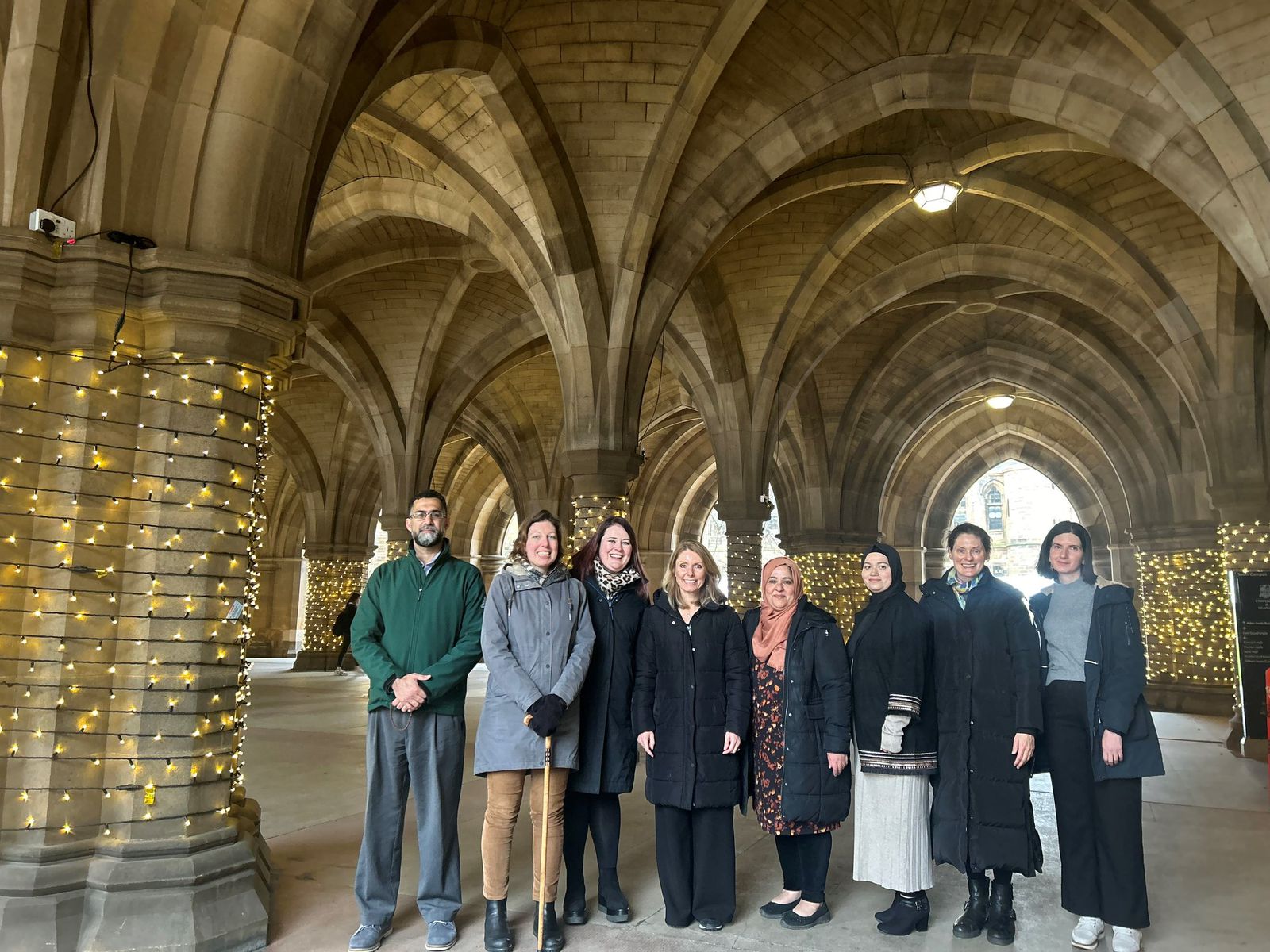
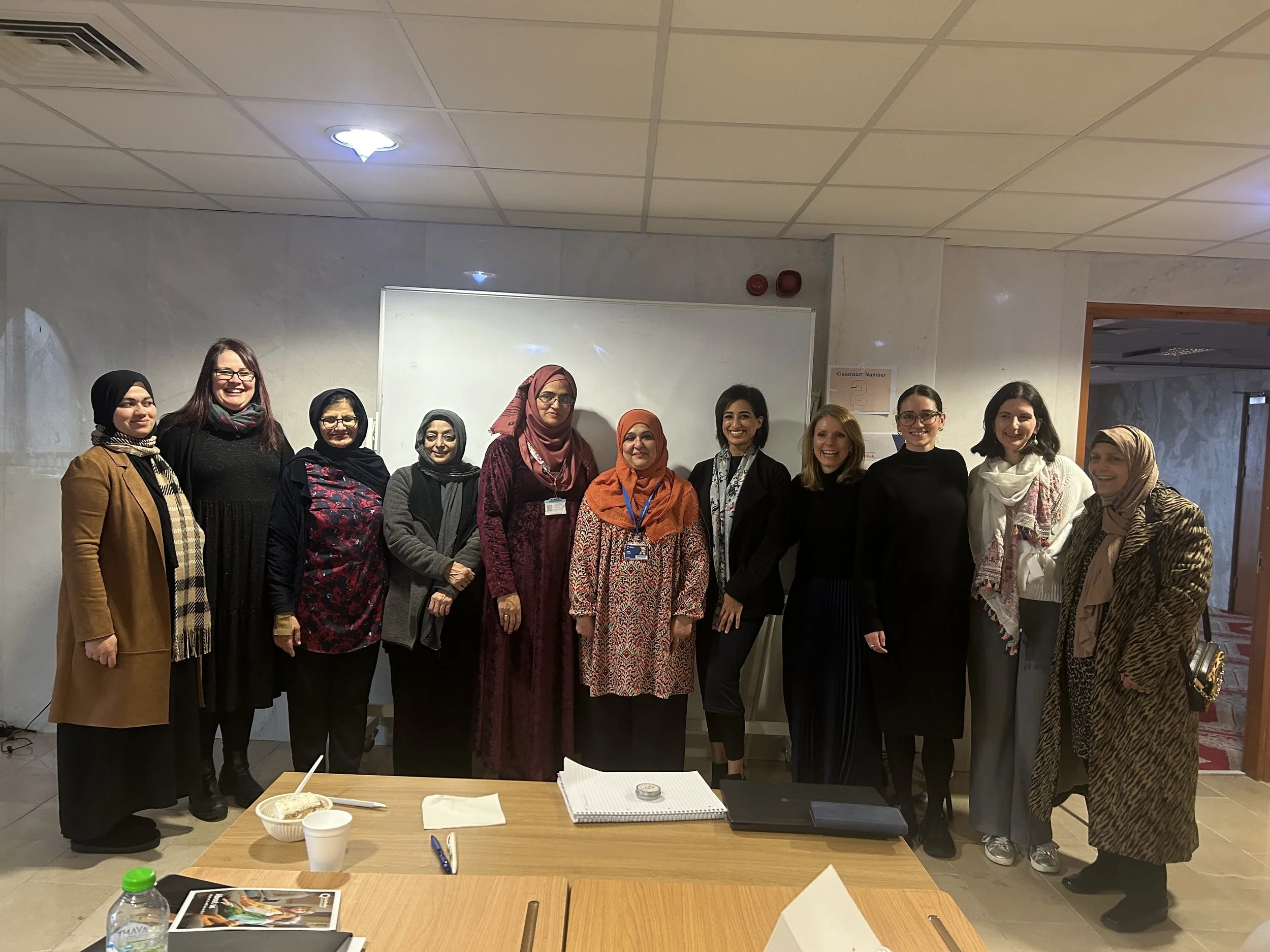
Meet The Project Team

Dr. Aasim Padela

Dr. Floor Christie-de Jong

Prof. Katie Robb

Dr. Rawand Jarrar

Dr. Anna Matthews

Dr. Marie K. Murphy

Prof. Alex McConnachie
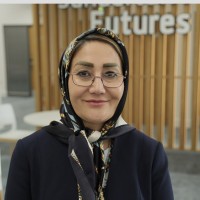
Dr. Rana Amiri
University of Sunderland, UK

Mrs. Cerysh Sadiq
University of Sunderland, UK
Mrs. Fozia Haider
University of Sunderland, UK
- Partner Organizations