Why This Work Matters

End-of-Life (EOL) healthcare poses unique challenges for Muslim Americans. Families often face the difficult task of navigating complex U.S. healthcare and legal systems while remaining true to deeply held Islamic values and principles.
Yet many remain in the “pre-contemplation” phase—not actively engaging in advance care planning. As a result, when crises arise, families often experience stress, conflict, and emotional distress.
Barriers include:
- Cultural and Religious Sensitivities – discomfort discussing death or fear that planning undermines trust in Allah’s decree.
- Limited Knowledge – lack of familiarity with terms and tools such as advance directives, living wills, and Do-Not-Resuscitate (DNR) orders.
- Concerns About Accommodation – worries about prayer, modesty, gender-concordant care, and dietary needs in hospice and palliative settings.
At the same time, Muslim Americans—3–5 million people and one of the fastest-growing and most diverse U.S. faith communities—remain underrepresented in health data and in hospice/palliative care utilization. No Muslim-run hospice currently exists in the U.S., and families often encounter discrimination or care that is not religiously aligned.
Our Journey: A Decade of Iterative Workshop Development (2014–2023)
The work that eventually became I AM PCN began nearly a decade earlier with grassroots workshops, community engagement, and Islamic bioethics scholarship. Between 2014 and 2023, we organized nine mosque- and community-based workshops across the country, partnering with scholars, clinicians, chaplains, and imams to start much-needed conversations about EOL care.
Washington, DC
Narrowing the Focus: The I AM PCN Project
Launched in 2022, the Investigating American Muslim Palliative and Hospice Care Needs (I AM PCN) project formalized this decade of work into a national, multi-institutional initiative.
Led by the Medical College of Wisconsin (MCW), in partnership with the Muslim Community and Health Center (MCHC) and the Initiative on Islam and Medicine (II&M), I AM PCN brought together scholars, clinicians, chaplains, imams, and community leaders to develop solutions that are both culturally responsive and religiously aligned.
The project generated peer-reviewed publications, community reports, and resources (See Publications and Additional Resources)
What Makes I AM PCN Unique
- First-of-its-kind national initiative grounded in Islamic bioethics.
- Co-created with Muslim families, scholars, and caregivers.
- Religiously aligned-centered tools for serious illness and advance care planning.
- Bridges Islamic values with U.S. medical and legal systems.
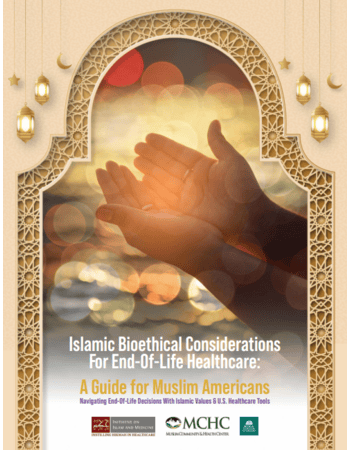
As a centerpiece of this work, I AM PCN developed Islamic Ethical Considerations for End-of-Life Healthcare: A Guide for Muslim Americans. This first-of-its-kind resource equips families and providers to understand U.S. legal tools, explore Islamic rulings on pain relief, withdrawing care, and hospice, and prepare religiously and practically for end-of-life decisions. The guide has become a cornerstone for workshops, clinician trainings, and community engagement efforts nationwide. A completed, practical resource guide for patients, families, imams, and healthcare providers.
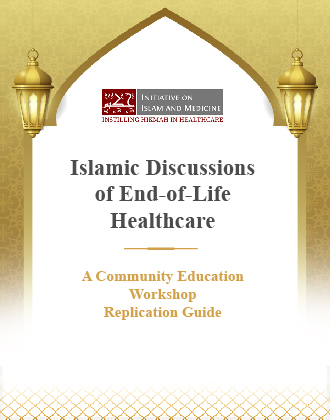
In addition, the Islamic Dimensions of End-of-Life Healthcare: A Community Education Workshop Replication Guide, a step-by-step manual that supports community leaders, imams, and educators in hosting their own workshops, expanding the project’s reach and impact. (See Replication Materials.)
Together, these resources ensure that the lessons from the past decade can be scaled and shared widely across Muslim communities nationwide.
Project Goals:
I AM PCN aims to:
Explore the needs, experiences, and barriers Muslim Americans face at the end of life
Educate the community through accessible, Islamically informed resources and workshops
Empower families to make informed, religiously aligned decisions
Collaborate with imams, chaplains, clinicians, and researchers to co-create culturally and religiously responsive models of care
Core Activities:
Design Workshops: Multidisciplinary planning sessions to adapt EOL education to Muslim religious and cultural needs
Community Educational Workshops: Held in mosques, these workshops offer information on hospice, palliative care, advance care planning (ACP), and Islamic perspectives.
Surveys & Interviews (Research Component): Surveys capture participants' knowledge, attitudes, and readiness for EOL planning. Interviews follow with select participants to deepen insight into barriers and preferences. Recruitment is supported by trusted community leaders and clinicians.
Workshops
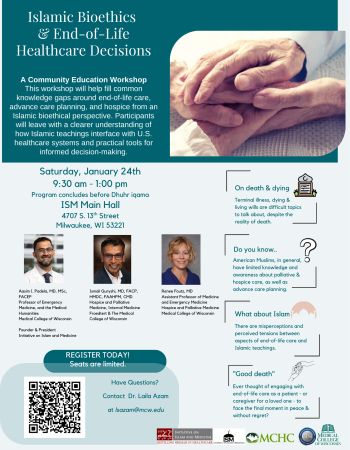
Islamic Bioethics & End-of-Life Healthcare Decisions, Islamic Society of Milwaukee, January 24th, 2026.
Publications
Academic:
- Exploring Perceptions of Hospice Care in the American Muslim Community: A Qualitative Descriptive Study,
Journal of Hospice and Palliative Medicine, January 2025. - Muslims and End-of-Life Healthcare in Non-Muslim Majority Nations: A Systematic Literature Review,
Journal of Pain and Symptom Management, April 2024. - American Muslim Engagement With Advance Care Planning: Insights From a Community Survey,
American Journal of Hospice and Palliative Medicine, August 2023. - A Pilot Efficacy Trial to Educate Muslim Americans about the Islamic Bioethical Perspectives in End-of-Life Healthcare,
J Immigr Minor Health, February 2024.
Community:
- Muslim Community-Engaged Research highlights Muslim Americans’ End-Of-Life Healthcare Gaps and Needs,
Wisconsin Muslim Journal, December 2024.
Presentations
Replication Materials (From the Guide)
Further Videos to Watch
- Framing Palliative Care: Islamic Bioethical Constructions for Meeting a Good Death, Dr Aasim Padela
- Intersections between Science, Philosophy, & Sunni Discourse on Death, Rafaqat Rashid.
- Ethical Obligations & Goals of Care at the End-of-Life, Dr Aasim Padela
- Understanding Death: Summary of Islamic Legal Process and Rulings on End of Life, UCL London
- Strategies to Improve Palliative Care for Muslims, GIPPEC Symposium 2018
- Palliative & End-of-Life Care for Muslims, Dr Aasim Padela
- Conceptualizing Death in a Pluralistic Society, Dr. Aasim Padela
- Better Endings: Advance Directives & Islamic End-of-Life Care, Hafiz Yaser Ali & Dr. Ramy Salah
- Better Endings: The Islamic Perspective on End-of-Life Care, Dr. Ramy Salah
- The Deathbed: From Spiritual Farewell to Clinical Process, Dr. Ramy Salah
Get Involved
Want us to host a community session?
Project Dissemination
Meet The Project Team
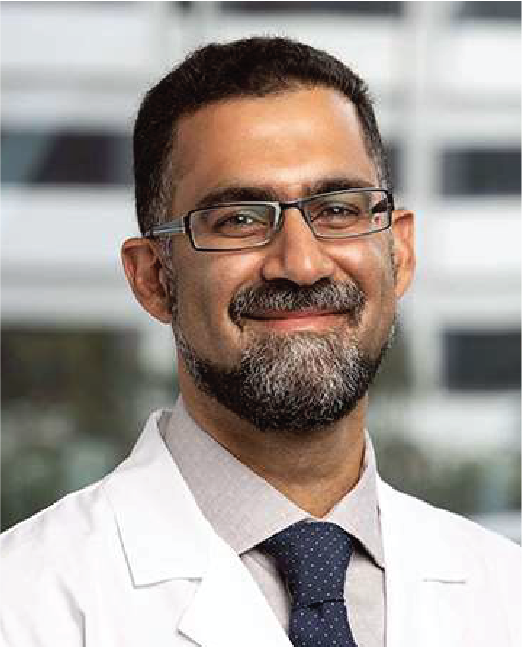
Dr. Aasim Padela
MD, MSc, FACEP
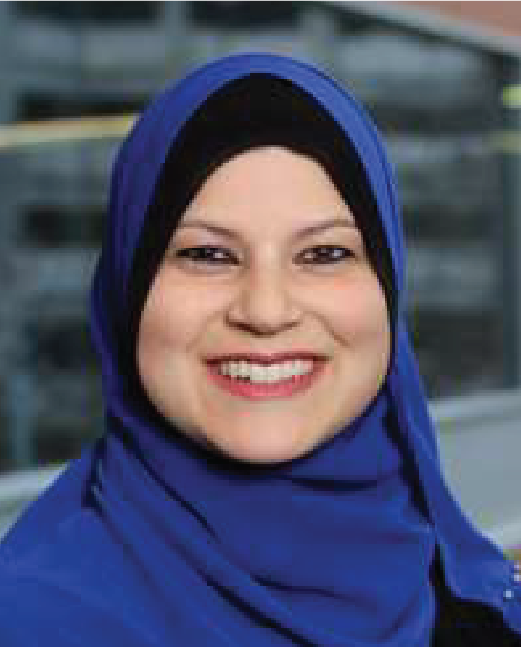
Laila Azam
PhD, MBA
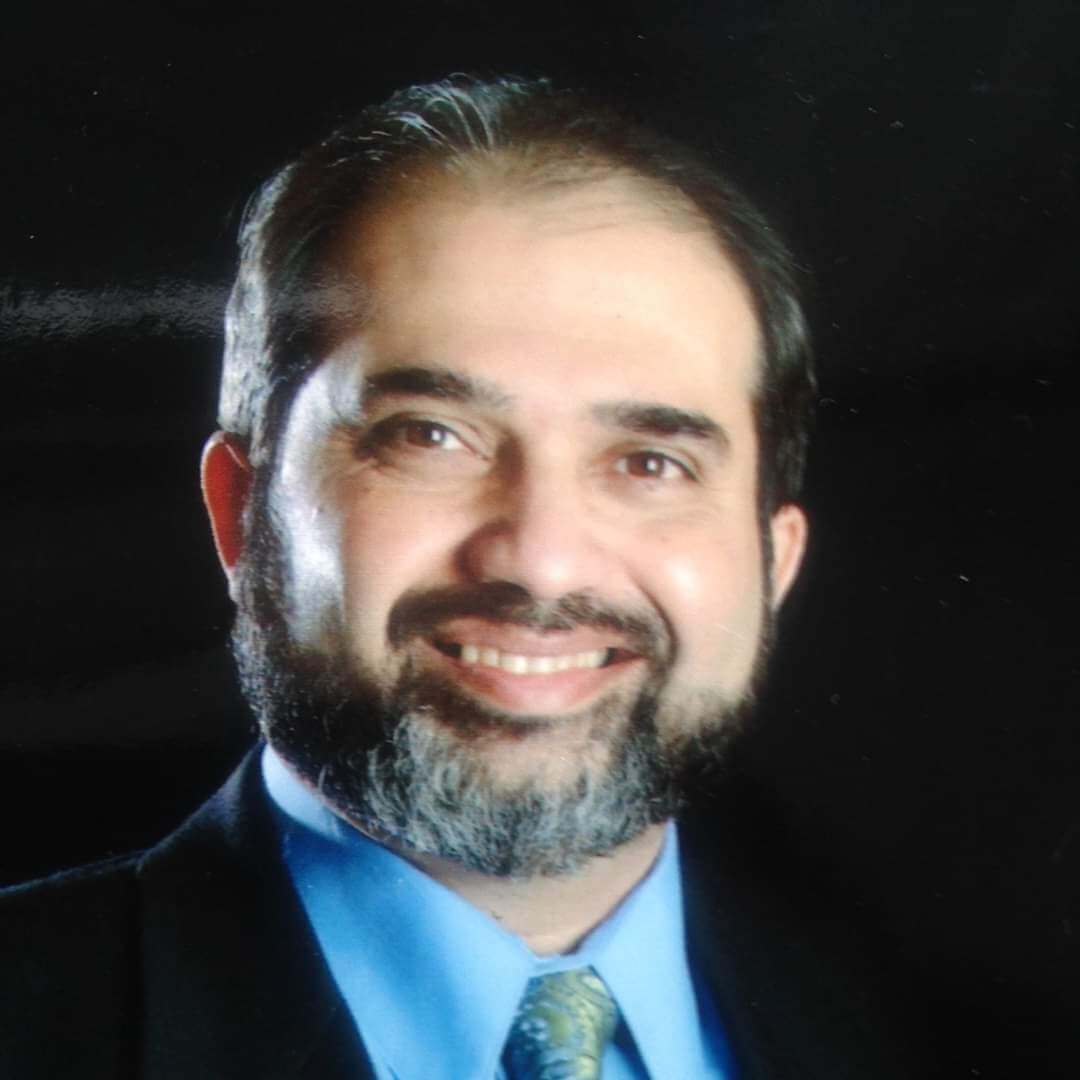
Arman Tahir
MD
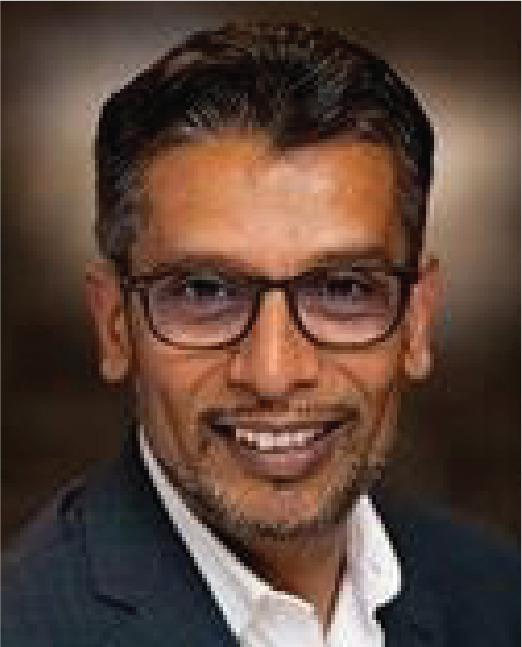
Ismail Quryshi
MD, FACP, HMDC, FAAHPM, CMD
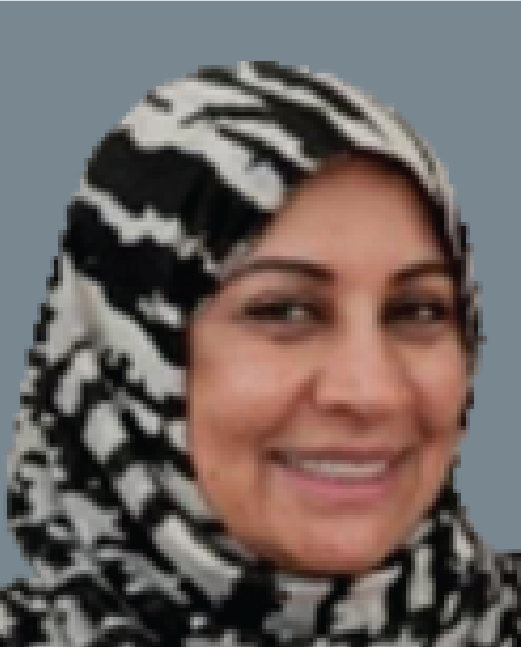
Fozia Ahmed
BS
Iqbal Ashraf
MS
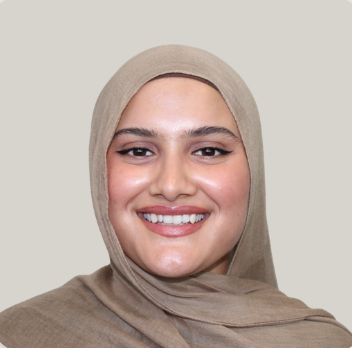
Ishma Rizvi
MPH
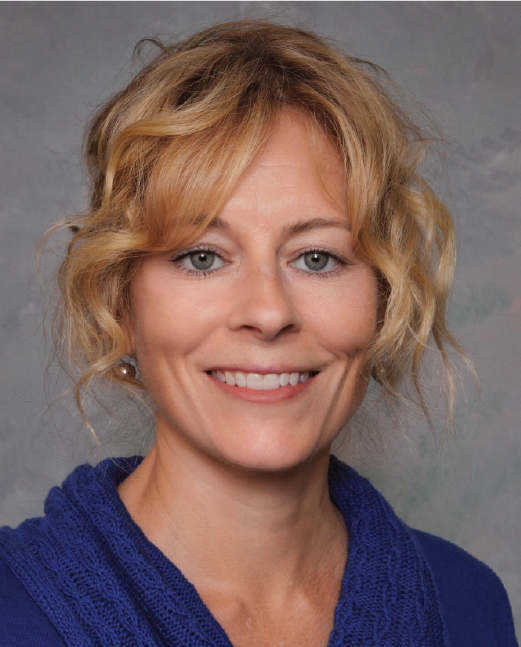
Renee Foutz
MD
Sondos Kholaki
MDiv, BCC
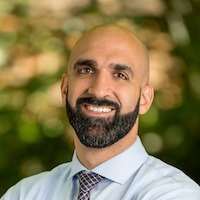
Dr. Ramy Salah
MD
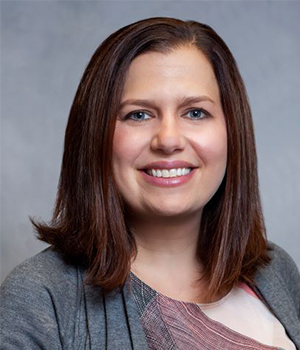
Colleen McCracken
MSN, RN
- Partner Organizations
- Funding Acknowledgement


This project was supported by the CTSI Team Science-Guided Integrated Clinical and Research Ensemble, National Center for Advancing Translational Sciences, National Institutes of Health, Award Number 2UL1 TR001436. The content is solely the responsibility of the author(s) and does not necessarily represent the official views of the NIH.